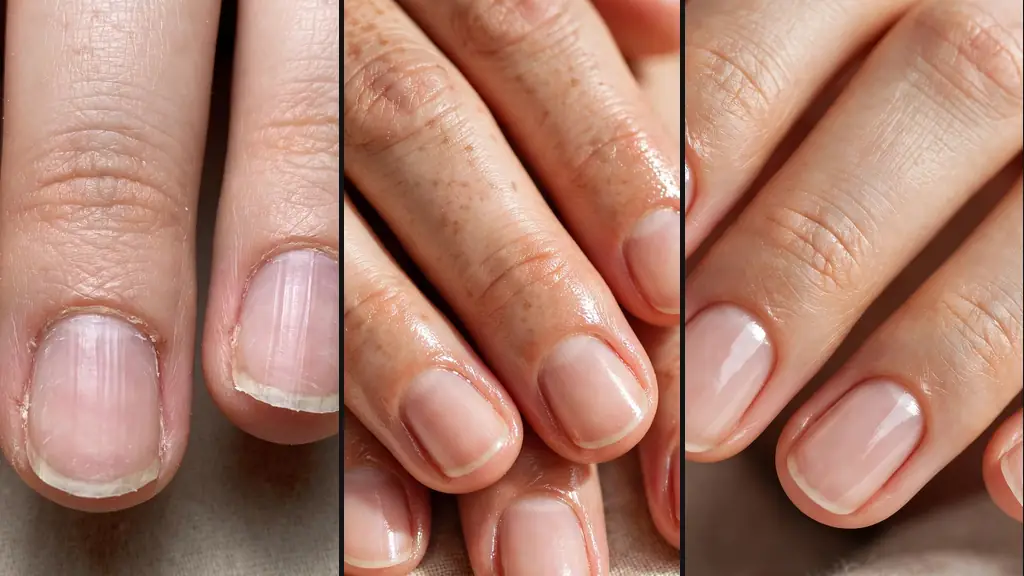
Peeling off acrylics is the fastest way to wreck your natural nails — it rips up layers of your nail plate and leaves them thin and sore for weeks. The good news is you can remove acrylic nails at home safely with the same soak-off method salons use. It takes about 45 minutes and a few supplies you probably already own, and your natural nails will thank you.
Table of Contents
What You’ll Need
To remove acrylic nails at home you’ll need: 100% acetone (not regular polish remover), cotton balls, aluminum foil strips, a coarse nail file, a cuticle pusher or orange stick, petroleum jelly, and cuticle oil. The acetone is non-negotiable — non-acetone remover won’t dissolve acrylic. Work in a ventilated room since acetone fumes are strong.
Step 1: Clip and File Down
Start by clipping the acrylics as short as you comfortably can with nail clippers. Then use a coarse file (100 grit works well) to file off the shiny top coat and thin down the bulk of the acrylic. The thinner the acrylic layer, the faster the acetone can penetrate — this step alone can cut your soak time in half. Don’t file down to your natural nail; stop when you see a thin layer remaining.
Step 2: Protect Your Skin
Acetone is extremely drying, so coat the skin around each nail generously with petroleum jelly before you soak. This creates a barrier that keeps the acetone working on the acrylic instead of your cuticles. It’s a small step that makes a big difference in how your hands feel afterward when you remove acrylic nails at home.
Step 3: The Foil Soak Method
Soak a cotton ball in acetone, place it directly on the nail, and wrap the fingertip tightly in foil to hold it in place and trap heat. Repeat for all ten nails, then wait 20-30 minutes. The foil method works better than a bowl soak because it keeps the acetone concentrated on each nail. Check one nail after 20 minutes — if the acrylic looks gummy and lifts easily, you’re ready.
Step 4: Gently Remove Residue
Unwrap one finger at a time and gently push the softened acrylic off with a cuticle pusher, working from cuticle to tip. Never force it — if an area resists, rewrap it for another 10 minutes. Forcing is how damage happens. Once the bulk is off, lightly buff away any remaining residue with a fine file, using almost no pressure. Patience here is what separates a safe removal from a damaging one.
Aftercare for Natural Nails
After you remove acrylic nails at home, your natural nails will be dry and a bit fragile. Wash your hands, then massage cuticle oil into each nail and let it absorb. Keep nails short for a week or two while they recover, and apply a strengthening base coat before your next polish. Skip new acrylics for at least a couple of weeks to let the nail plate rehydrate fully. For more self-care ideas, browse our lifestyle guides, and the Healthline removal guide has dermatologist tips if your nails feel damaged.
What If You Don’t Have Acetone?
In a pinch, you can file acrylics down very thin and let them grow out — but it takes weeks and looks rough. Dental floss slid under a lifted edge works for already-loosening acrylics, though it risks the same damage as peeling. Honestly, there’s no safe substitute for acetone when you want to remove acrylic nails at home properly. A $5 bottle from any drugstore is cheaper than repairing damaged nails.
How Often Can You Get Acrylics?
Dermatologists suggest giving natural nails a 2-4 week break every few months of continuous acrylic wear. Signs you need a break: nails feel paper-thin, develop white spots, or lift painfully. During breaks, keep nails short, oiled, and polished with strengthening formulas. Your nails will recover faster than you expect — the nail plate fully replaces itself in about 6 months.
Removing Gel Polish vs. Acrylics
The method to remove acrylic nails at home also works for gel polish, with one difference: gel is thinner, so skip the clipping step and go straight to filing off the shiny top coat before soaking. Soak time drops to 10-15 minutes. Never peel gel either — it lifts nail layers just like acrylic does. If you switch between acrylics and gel, the same acetone, foil, and patience routine covers both. Your natural nails can’t tell which enhancement you’re removing; they only feel whether you were gentle.