
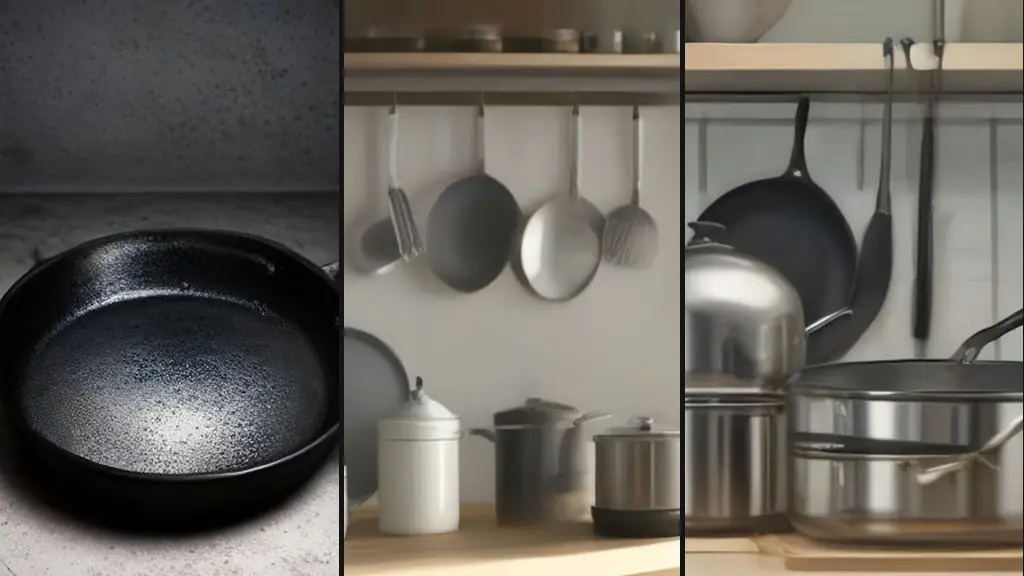
Toxic cookware to avoid isn’t a scare topic — it’s a practical one. The pots and pans you use daily can leach chemicals into food, especially when scratched, overheated, or simply old. Knowing which toxic cookware to avoid (and what to use instead) is one of the highest-impact kitchen upgrades you can make.
Table of Contents
Toxic Cookware to Avoid: Nonstick With PFAS
Traditional nonstick cookware tops every toxic cookware to avoid list for good reason. Older nonstick coatings were made with PFOA, and while that’s phased out, replacement PFAS chemicals (“GenX” and similar) raise similar concerns. The real danger point: overheating. Above about 500°F (260°C), nonstick coatings can break down and release fumes — and scratched pans expose more surface to your food.
If you love nonstick convenience, look for explicitly PFAS-free ceramic coatings — but know they lose nonstick properties faster (typically 1-2 years) and still shouldn’t be overheated or used with metal utensils. Better: reserve any nonstick strictly for eggs and delicate fish on low-medium heat, and never preheat it empty. For the regulatory picture, the EPA’s PFAS information is the authoritative source. Our foods to never air fry covers related kitchen safety.
More Toxic Cookware to Avoid: Aluminum, Copper, and Plastics
Uncoated aluminum is next among toxic cookware to avoid — it’s reactive, meaning acidic foods (tomatoes, citrus) dissolve aluminum into the meal. Anodized aluminum is far more stable and generally considered safe, so check which type you own. Unlined copper is the third concern: beautiful and superb at conducting heat, but copper leaches into food and excess copper is toxic; only use lined copper (stainless lining) for actual cooking.
Plastic cooking tools and containers round out the list. Melamine dishes can leach formaldehyde and melamine when used with hot or acidic foods; black plastic utensils have raised concerns about flame-retardant contamination from recycled electronics. None of these will harm you from a single use — the issue is daily, years-long exposure, which is exactly how cookware gets used. That’s why identifying toxic cookware to avoid matters more than most kitchen choices. The FDA food contact materials guidance sets the official safety standards.
4 Safe Alternatives to Toxic Cookware
Now the good news — four safe alternatives to every toxic cookware to avoid item above. First: stainless steel. Non-reactive, durable for decades, dishwasher-safe — the workhorse. Learn the heat-then-oil trick (preheat the pan, then add oil) and sticking becomes a non-issue for most foods.
Second: cast iron. Naturally nonstick when seasoned, lasts generations, and adds a little dietary iron as a bonus. Third: carbon steel — like cast iron but lighter, the choice of professional kitchens for searing. Fourth: glass and ceramic for baking and storage; completely inert, no leaching possible. Enameled cast iron (like Dutch ovens) combines cast iron’s heat with a non-reactive coating. Start with one stainless skillet and one cast iron pan — those two cover 80% of cooking. For kitchen efficiency to match your new gear, see small kitchen habits.
Switching Away From Toxic Cookware: A Practical Plan
You don’t need to trash everything tomorrow. Audit first: identify which pieces are in the toxic cookware to avoid categories, and retire the worst offenders — scratched nonstick and unlined aluminum go first. Replace one piece at a time, starting with your most-used pan; that’s where exposure concentrates.
Care for the new gear properly: no metal on any coated surface, no thermal shock (cold water into a screaming-hot pan), hand-wash cast iron and carbon steel. Buy once, cry once — quality stainless and cast iron outlive their owners. Your food will taste the same; what’s different is what isn’t in it.