You have the design saved on your phone, the placement picked out — and then the price quote hits you. Tattoo prices in 2026 range from a $50 shop minimum for something tiny to several thousand dollars for a full sleeve, and the number you hear depends on far more than just size. Here is what artists actually charge, why, and how to pay a fair price without regret.
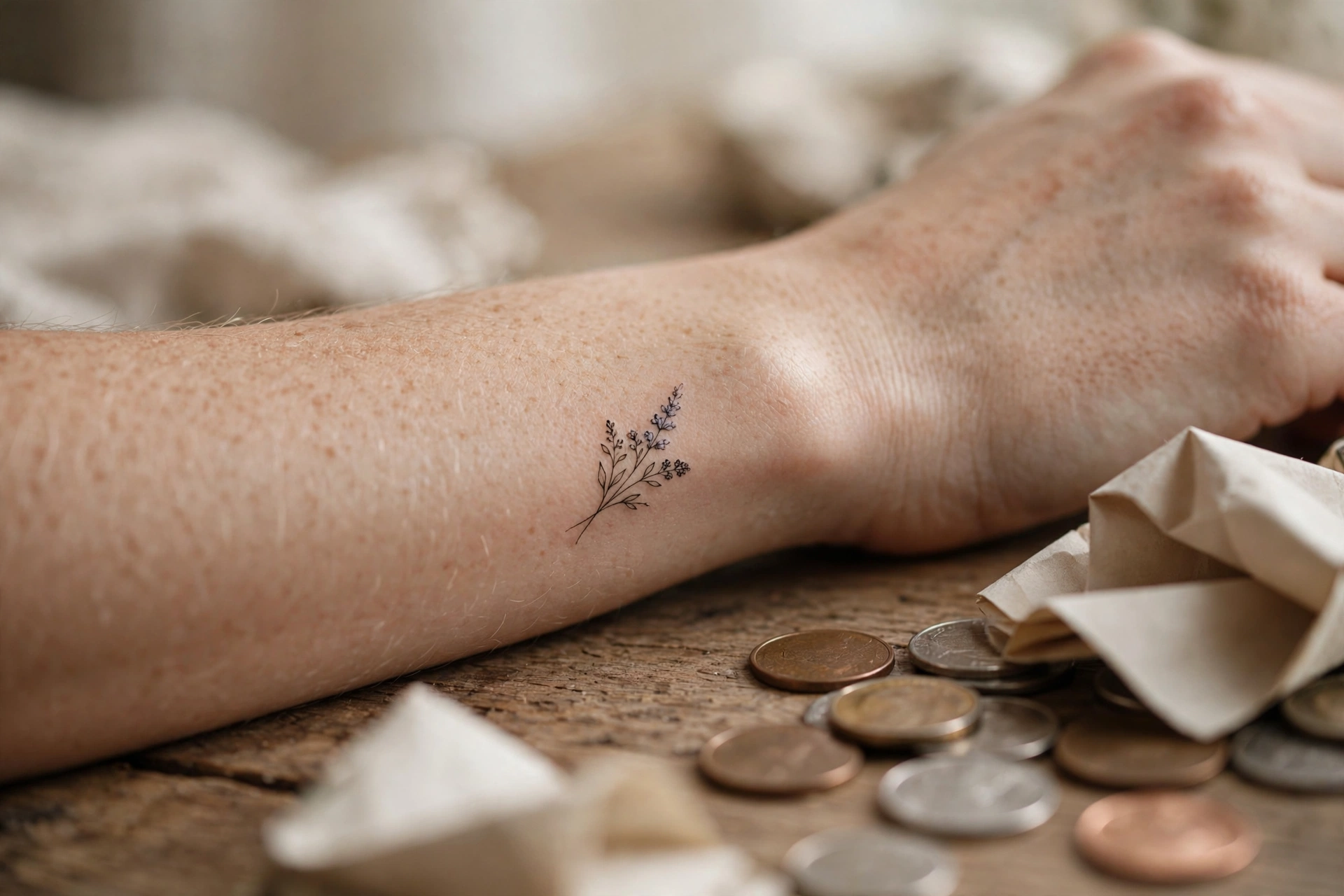
Table of Contents
- How Tattoo Artists Actually Price Their Work
- Real-World Tattoo Prices by Size: What You Will Actually Pay
- What Raises Tattoo Prices (and What Does Not)
- Hidden Costs Nobody Tells You About
- Smart Ways to Save Without Ruining Your Tattoo
- Red Flags: When a Tattoo Is Suspiciously Cheap
- How Much to Tip Your Tattoo Artist
- Final Thoughts
How Tattoo Artists Actually Price Their Work
Most confusion around tattoo prices comes from not knowing which pricing model your artist uses. Nearly every shop works with one (or a mix) of these three systems.
The Shop Minimum
The shop minimum — usually $50 to $100 in 2026 — covers the artist’s time, a sterile needle setup, and opening the station. That tiny heart on your ankle will not cost $10.
Hourly Rate
Experienced artists typically charge $120 to $250 per hour, while well-known artists in big cities can charge $300 or more. Hourly pricing is standard for large custom pieces where the exact time is hard to predict.
Flat Rate
Many artists quote one fixed price for the whole piece — common for flash designs and small-to-medium tattoos. Flat-rate quotes give you certainty, but make sure the quote is written down before the first line goes in.
- Tip: Always ask which model applies. “Is that the total, or per hour?” is a perfectly normal question.
- Tip: Deposits ($20–$100) are standard and almost always non-refundable.
Real-World Tattoo Prices by Size: What You Will Actually Pay
This is the section everyone screenshots. These are honest 2026 ballpark ranges from reputable mid-level shops — adjust up for big metros, down for smaller towns.
- Tiny tattoos (under 2 inches): $50–$100. Minimalist symbols, tiny words, small stars. You are mostly paying the shop minimum, so getting two small ones in one session makes sense.
- Small tattoos (2–4 inches): $100–$250. A small floral wrist piece, a dainty hand tattoo, or a simple butterfly. Color adds $30–$60.
- Medium tattoos (4–8 inches): $250–$600. A palm-sized thigh piece or a dragon on the shoulder. Most first “real” tattoos land here.
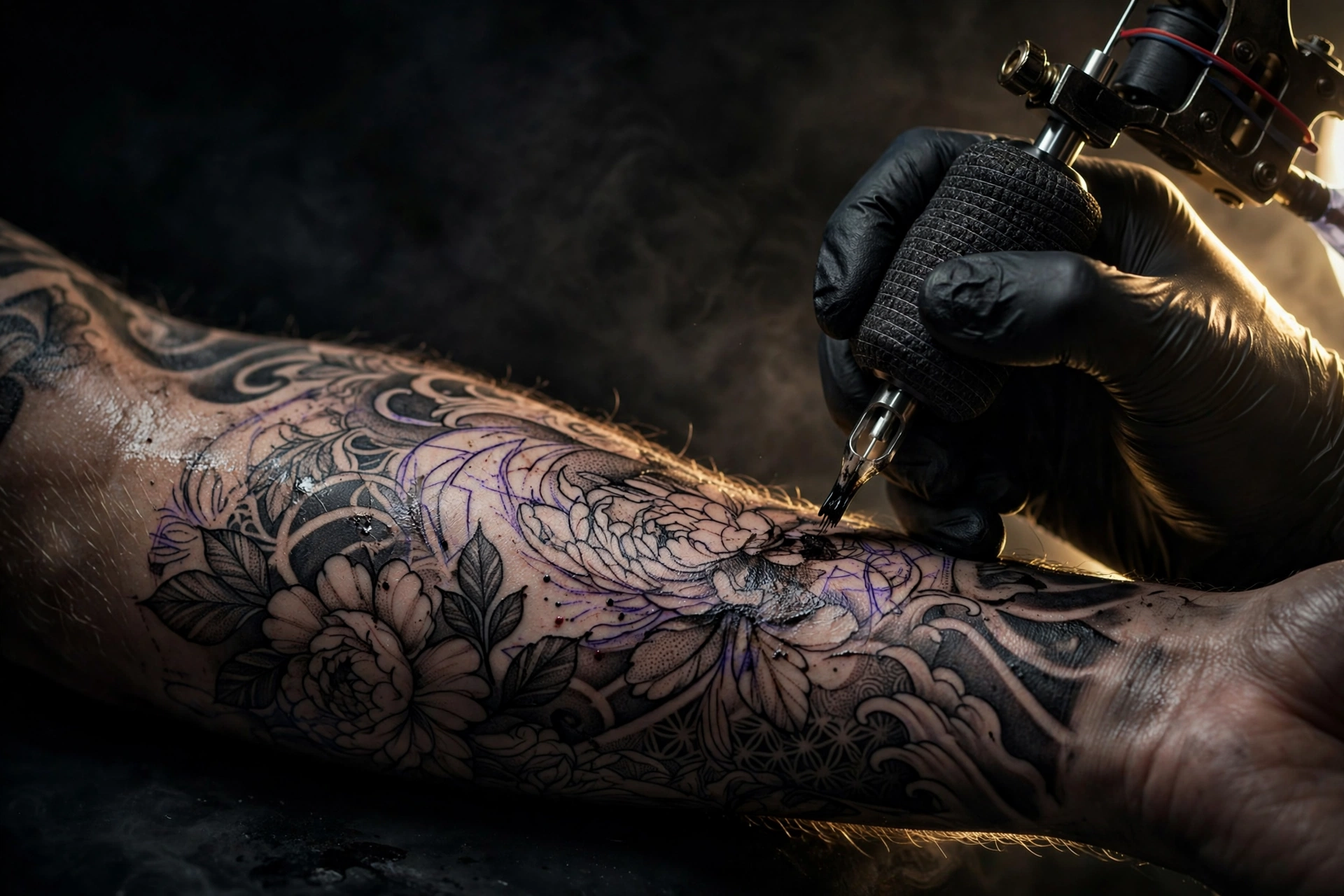
- Large tattoos (half sleeve / back panels): $600–$1,500. One or two full sessions. Blackwork is cheaper; full color realism costs more.
- Full sleeve: $1,500–$5,000+. Multiple sessions over months — see these sleeve tattoo ideas to see why people gladly pay it.
- Full back piece: $2,000–$6,000. The largest canvas on the body, priced like the major art commission it is — a show-stopping back tattoo is a serious investment.
Remember: a hyper-realistic portrait the size of your palm can cost more than a simple half sleeve — detail matters as much as size.
What Raises Tattoo Prices (and What Does Not)
- Artist experience. A junior artist at $120/hour vs. an award-winning specialist at $300/hour. It shows in healed results.
- Color vs. black and grey. Full color typically adds 20–40% to the price.
- Realism and fine detail. Photorealistic portraits and intricate mandalas take far longer per square inch.
- Placement difficulty. Ribs, neck, hands, and feet take longer — some shops add a placement surcharge.
- Your city. The same tattoo can cost double in a major metro compared to a small town.
- Cover-ups. Expect to pay 30–50% more than a fresh tattoo of the same size. Cover-ups are genuinely harder work.
What does not raise the price much? Switching fonts on text tattoos or adding a small date — minor additions are often thrown in free.

Hidden Costs Nobody Tells You About
- The deposit: $20–$100, usually deducted from the total but lost if you cancel or no-show.
- The tip: 15–20% is the industry standard for good work.
- Touch-ups: Many artists offer one free touch-up within the first year — ask upfront. After that, $50–$150.
- Aftercare products: $15–$40 for quality healing balm and fragrance-free moisturizer.
- Multi-session gaps: If life interrupts your sleeve, the per-session price may have risen when you return.
Always ask: “What is my total out-the-door cost, including everything?” before you commit.
Smart Ways to Save Without Ruining Your Tattoo
- Pick flash over custom. Flash day events and pre-drawn designs can cost half of custom work.
- Go black and grey. Skipping color can shave hundreds off a medium or large piece.
- Bundle small tattoos. One session, one shop minimum, multiple tattoos.
- Book junior artists at reputable shops. They charge less and work under senior supervision. Check their healed portfolio first.
- Keep the design simple where it counts. Bold lines age better AND cost less than fussy micro-detail.
The cheapest legitimate savings come from design choices — never from choosing a cheaper artist for the same design.
Red Flags: When a Tattoo Is Suspiciously Cheap
- No portfolio, or only fresh photos. Healed photos prove quality. No healed work? Walk away.
- Cash only, “my place” offers. Legitimate artists work in licensed, inspected studios.
- Quotes far below every other shop. The $80 artist among $400 quotes is cutting corners on ink, sterilization, or skill.
- No discussion of aftercare or risks. A professional explains healing and touch-up policy. Silence is a red flag.
Cheap ink is the most expensive tattoo — laser removal costs 5 to 10 times the original price. Stay safe with Healthline’s tattoo aftercare and safety guide and browse verified artists on Tattoodo before you book.
How Much to Tip Your Tattoo Artist
- 15% is the baseline for solid, professional work.
- 20–25% for exceptional work or a piece you love.
- Cash tips are king — and tip on the pre-discount total if you got a flash deal.
Final Thoughts
Tattoo prices in 2026 are logical once you know the system: shop minimums cover small work, hourly or flat rates cover the rest, and experience, color, detail, and city move the needle. Budget for the deposit, tip, and aftercare — not just the quote — and choose your artist by healed work, never by the lowest price.
Save where it is smart, spend where it counts, and you will love your ink for decades.
So tell us — did any of these tattoo prices surprise you? Which one is your favorite design to save up for? Drop it in the comments!