DIY western wall art is the fastest way to give a blank wall some ranch character without spending gallery money. A few planks, some paint, and whatever the garage coughs up can turn into pieces that look genuinely collected — not craft-store cute. The style is forgiving by nature: chipped paint, rough edges, and uneven textures are the whole point. Here are the projects that actually work, grouped by material, with tips for hanging everything as one cohesive gallery wall at the end.
What Counts as DIY Western Wall Art
Western wall pieces share a few family traits even when the materials differ: earthy colors, organic textures, rural or desert subject matter, and a layer of honest wear. Think desert landscapes, longhorn silhouettes, old farm gear mounted like sculpture, and textiles in saddle-blanket patterns. Keep that filter in mind and almost any project you attempt will hang together with the rest of the room. If you are decorating a full room around this look, our western home decor ideas guide covers the bigger picture.
Before you start, round up a small supply kit and you will be ready for nearly every project below: craft paint in neutrals and desert tones, a few brushes and foam pouncers, sandpaper, stencils of skulls or horseshoes, strong glue or a hot-glue gun, and natural twine or jute.
Wood, Stone, and Antler: DIY Western Wall Art From Nature
The most convincing pieces start with real materials. A hand-painted sign on a salvaged plank, a wreath of stone and feather, or a shed antler mounted on a board all carry the weight of something found rather than bought.
Rustic painted wood signs
Grab a salvaged plank or a pre-cut board from the craft store and distress it with sandpaper until the edges feel soft. Stencil on your family name, a ranch brand, or a short quote, and dab the paint on with a foam pouncer instead of brushing — it gives that weathered, uneven finish that screams old barn. Seal with matte varnish and hang it over the bed, by the front door, or above the mantel.

Stone and feather wreaths
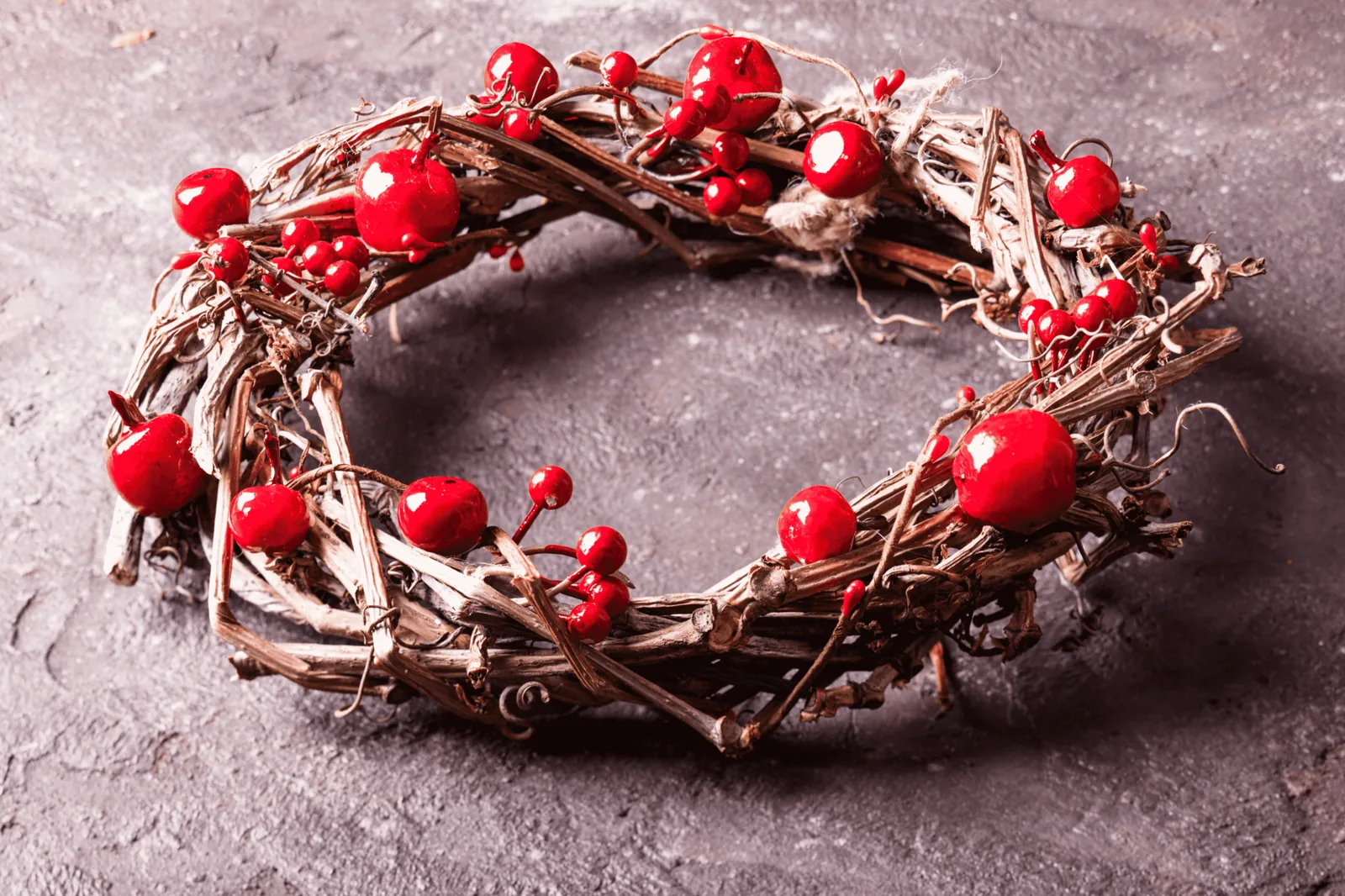
Start with a grapevine wreath base and hot-glue feathers, dried seed pods, and small antler tips around one side. Then wire-wrap slices of agate or jagged quartz through the rest. The mix of soft feather and hard stone is what makes it interesting. Hang it indoors or on a covered porch where weather will not punish it.
Antler arrangements
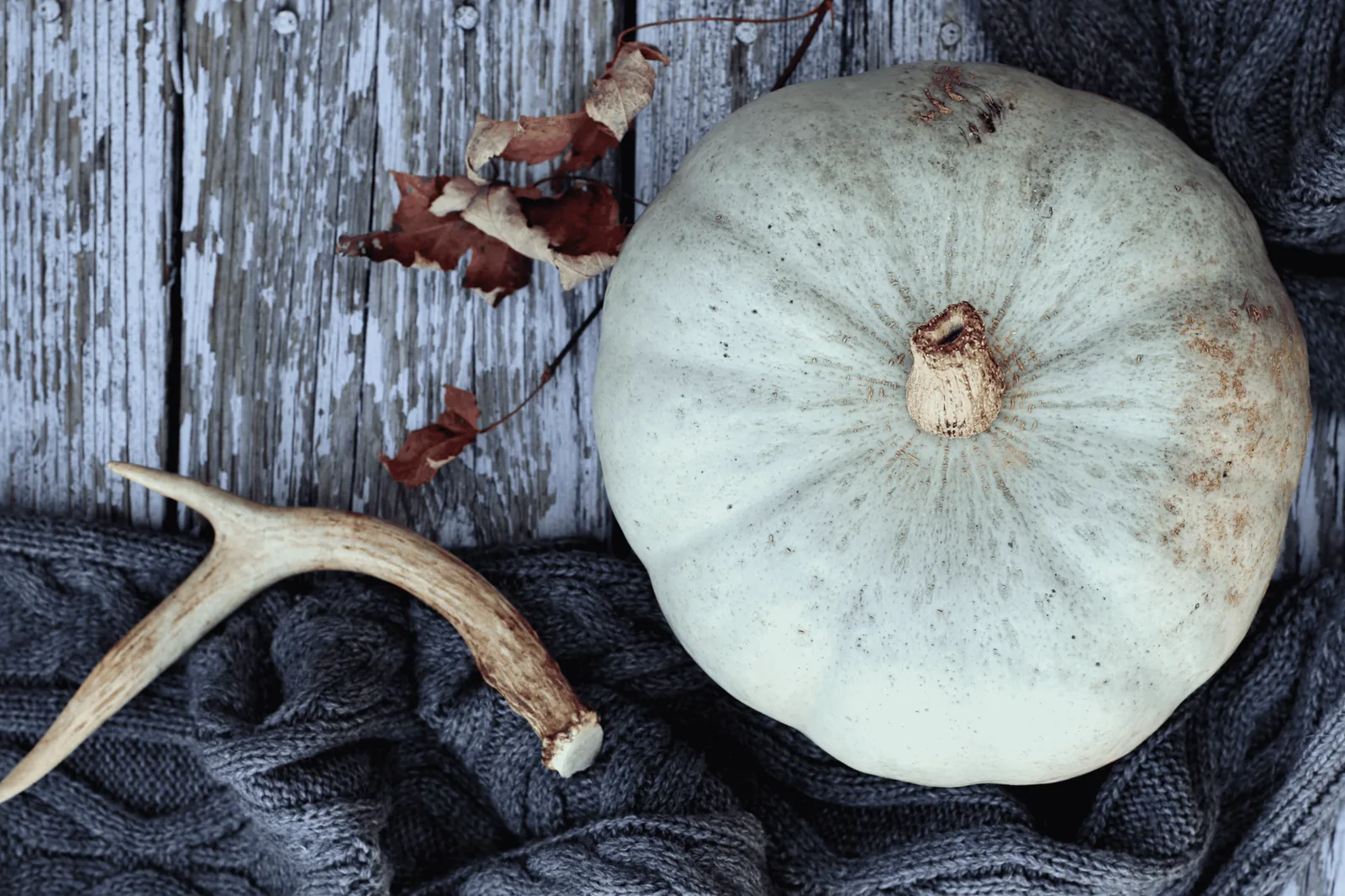
Shed antlers — collected ethically after deer drop them, or bought from a reputable seller — look striking grouped on a simple wood plaque. Saw the skull plates level, sand them smooth, and wire them to the board with the points interlocking. A single spotlight above the arrangement throws dramatic shadows and turns it into real art.
Salvage Finds That Become DIY Western Wall Art
The best budget material is stuff other people threw out. Old windows, retired tools, and pallet wood cost almost nothing and arrive pre-distressed.
Old window picture displays
An old wooden window frame with its panes intact is a display waiting to happen. Clean it up, leave the chippy paint alone, and set a black-and-white landscape photo or a mirror behind the glass. Hang it in the entryway or over a dresser — it reads as architecture, not just decor.
Vintage tool silhouettes
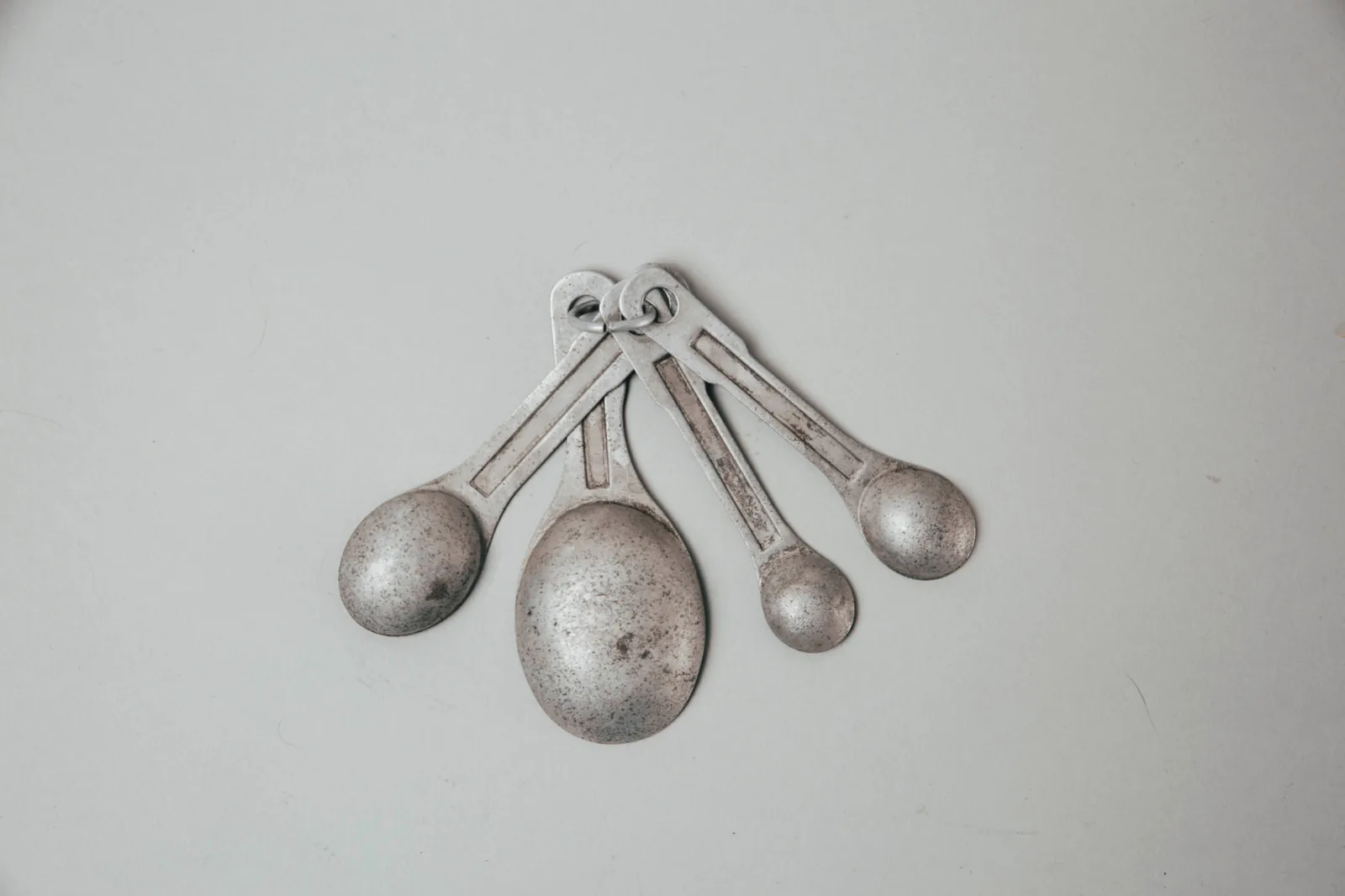
Retired rakes, shovels, and axes have beautiful shapes. Bolt them handle-up to a plywood backing board and the tools become graphic silhouettes, especially under a downlight. Hang the finished panel in a garage, mudroom, or cabin-style den where the workwear vibe belongs.
Pallet wood signs
Pry slats off an old shipping pallet carefully, sand the worst splinters, and nail the boards back together into a plaque. Add a painted brand, house numbers, or a simple desert scene. Metal corner braces or stamped numbers from the hardware store finish it off. For more salvage inspiration, browse the ideas in our rustic home decor collection.
Fabric and No-Sew Wall Art Projects
No saw, no problem. Fabric projects go up fast and cost almost nothing.
Bandana canvas art
Stretch a cotton bandana print over a plain canvas panel, fold the edges tight around the sides, and staple them at the back. Bandana patterns borrow heavily from classic blanket designs, so they land squarely in Western territory. Hang two or three side by side for more impact.

Cowhide-print pillow covers and woven hangings
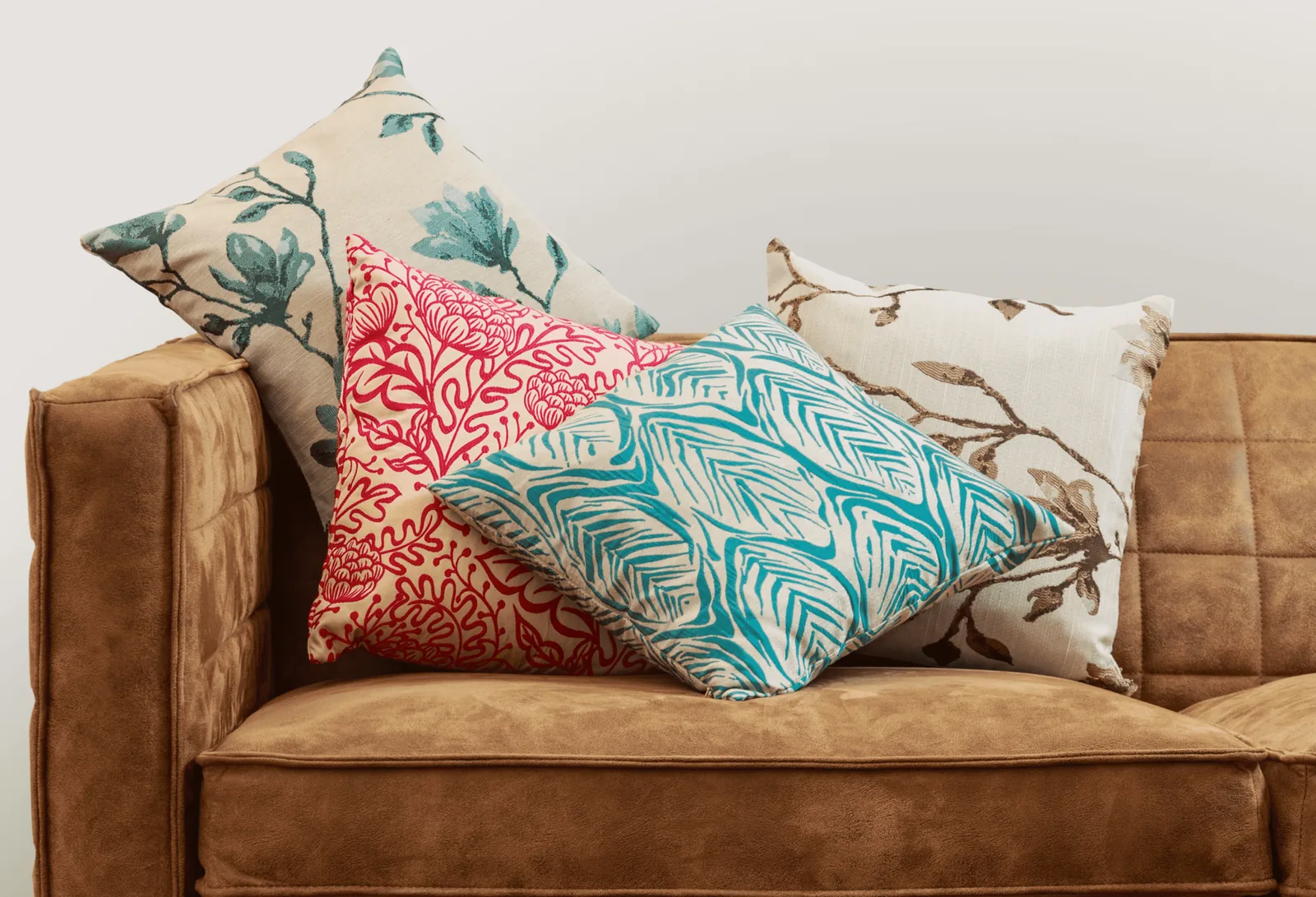
Wrap faux cowhide fabric around plain pillow forms, hot-glue the folds, and add a braided leather fringe for trim — no sewing needed. For the wall itself, weave jute cord and textured yarn through a wooden embroidery hoop in simple geometric patterns. Earth tones layered together look far more expensive than the materials cost.
Painting Your Own Western Pieces on a Budget
A blank canvas and a few tubes of paint can cover a lot of wall for very little money.
Barnwood backgrounds and faux skulls
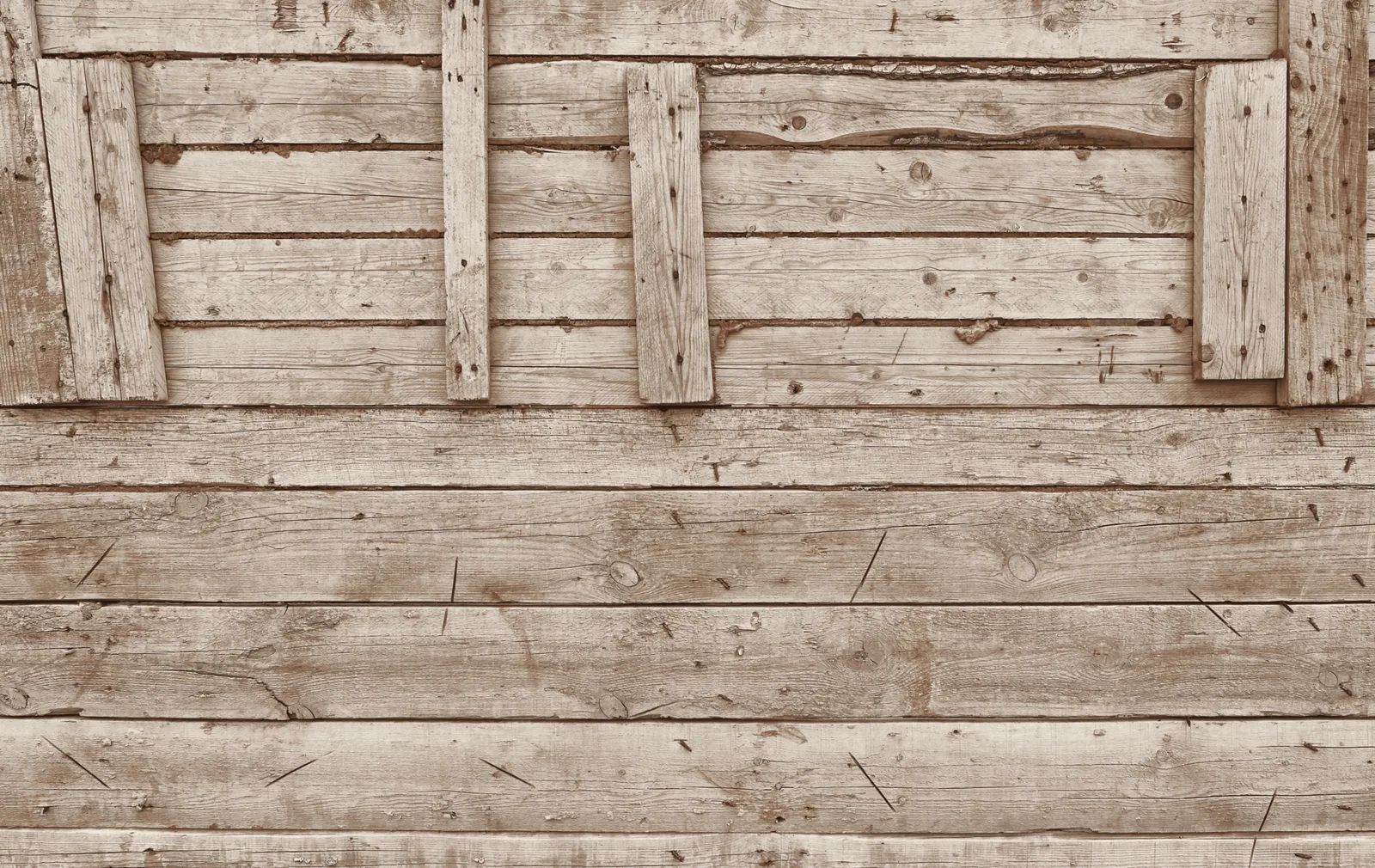
Paint vertical boards in weathered gray-brown tones with visible nail heads to fake aged barn siding, then mount the panel as a backdrop behind a clock or smaller art. For a bolder piece, draw a longhorn skull on a round wood slice with a white paint pen and shade the edges in gray — a sun-bleached look with almost no skill required.
Desert landscape canvases
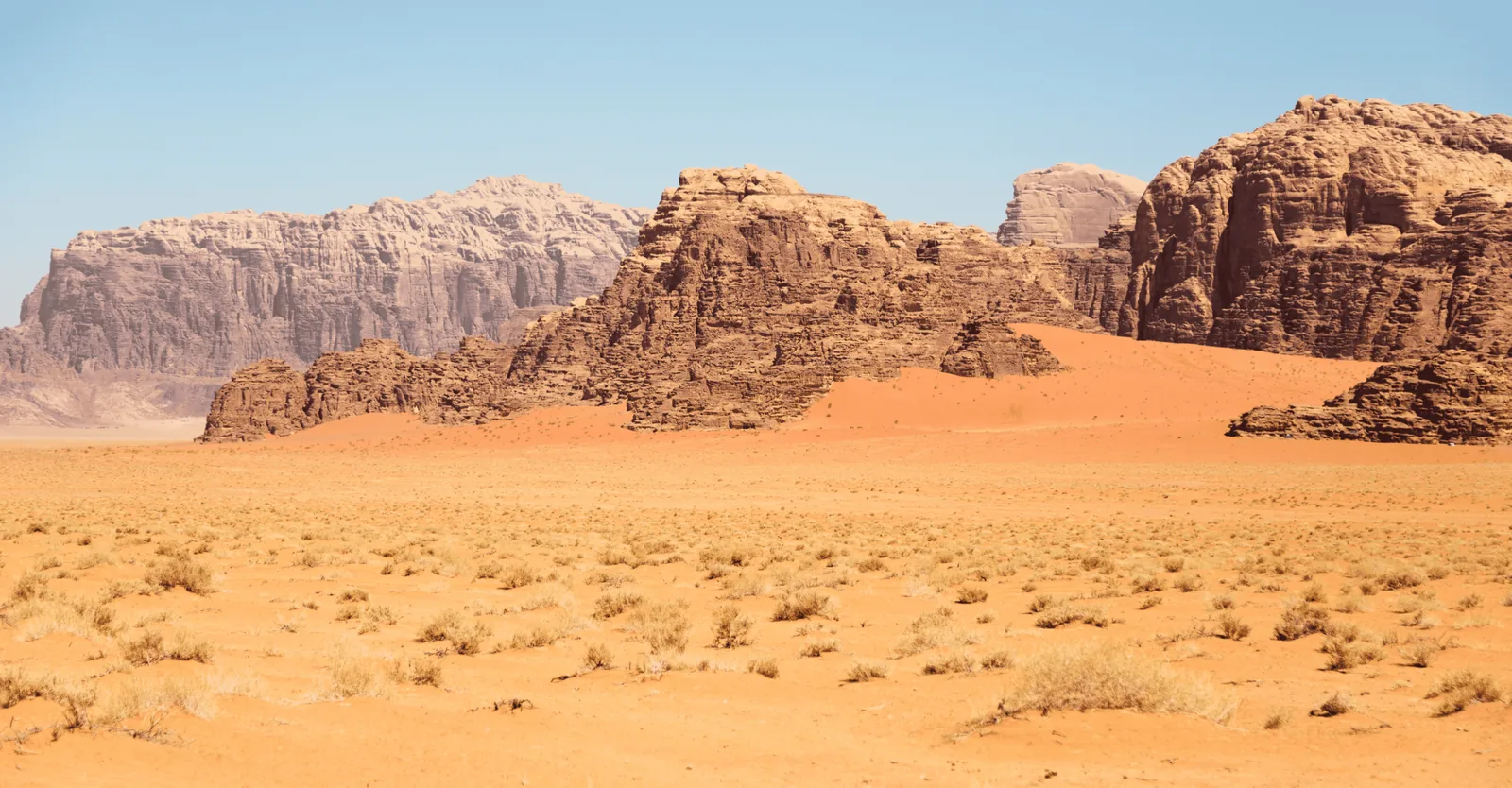
Simplified desert scenes are genuinely beginner-friendly: a gradient dusk sky, blocky red mesas, a few saguaro silhouettes. Keep the palette to three or four colors and let the shapes do the work. Paint two or three small canvases in the same palette and hang them as a series.
Hanging It All as One Gallery Wall
Once you have a pile of finished pieces, hang them like you mean it. Line up same-size frames in a loose grid for an orderly, collected feel, or stagger different sizes at varying heights for a wall with movement. A reclaimed wood ledge or two gives you a place to lean small pieces and layer in finds like antler sheds or woven baskets. Step back, squint, and trust your eye — if the colors and textures rhyme, the wall works. Design sites like The Spruce have solid gallery-wall layout guides if you want a template to start from.
That is the whole secret of DIY western wall art: start with honest materials, keep the palette earthy, and let the imperfections show. A wall built this way does not look decorated — it looks like it grew there, one flea market and one Saturday afternoon at a time.