
The best home organization ideas don’t start with buying containers — they start with getting rid of stuff. Every tidy home you’ve admired runs one quiet system: less stuff, a place for everything, and a daily habit holding it together. This guide goes room by room — living room, kitchen, bedroom and closet, bathroom, entryway and home office — with storage that looks good, small-space tricks, and the ten-minute reset that stops everything sliding back.
Home Organization Ideas Start With Decluttering
Organizing clutter just rearranges the problem. Before buying one basket, do a ruthless pass: one room at a time, three piles — keep, donate, trash. The twice-used bread maker, the cable drawer for dead devices — that’s storage rent, not possessions. Removing it is the fastest room transformation there is.
You can’t organize what you shouldn’t own. Skip this and you’ll buy beautiful containers for things you don’t need — a $200 container run leaving the house still chaotic. Declutter first; you’ll often need half the storage you expected.
Work in small wins. One junk drawer in twenty minutes teaches the method: empty, trash the obvious, relocate strays, keep only earners. If a room still feels off, check common interior design mistakes that make a home feel cluttered — sometimes it’s layout, not stuff.
Living Room: Storage That Looks Good
Living-room organization must double as decor — everything shows. Favor closed storage: ottomans with compartments, a coffee table with drawers, a console that shuts. Open shelving photographs well and collects visual noise; reserve it for genuine display pieces.
Corral small things with trays and baskets. A coffee-table tray turns scattered remotes into a “styled surface.” A lidded basket by the sofa swallows throws and chargers when guests arrive. Coordinated baskets — same material, same tones — read as design, not panic-cleaning.
Cables are the secret clutter: a box behind the TV stand, clips routing cords along legs, one charging station instead of five spaghetti outlets. The best pieces are often affordable decor items every home needs anyway — a lidded basket, a simple tray.
Home Organization Ideas for the Kitchen
Kitchens fail because everything gets used daily and set down “for now.” Fix it with zones: group by task, not type. Coffee gear by the maker, oils and pans by the stove, lunch supplies on one shelf. Cleanup becomes returning things to their task’s home — zero decisions.
Inside cabinets, the classics earn their keep: shelf risers doubling stacking space, turntables taming deep corners, drawer dividers ending utensil tangles. Decant flour, rice, and cereal into matching clear containers — the pantry looks like another room. Label them.
Defend countertops: only daily-use items earn space — coffee maker, knife block, done. A small tray corrals sink-side soap and sponge so even necessities look tidy. The Spruce has strong kitchen-specific guides for going deeper on pantry systems.
Bedroom, Closet, and Bathroom
Bedrooms should be the calmest room, and calm starts with clear surfaces. Give each nightstand a tray or drawer organizer plus a one-in-one-out rule. Under-bed boxes absorb the seasonal swap; a lidded hamper — never a pile — keeps laundry from becoming decor.
Closets need editing, not just organizing. Yearly, pull everything out and be brutal: unworn this season, wouldn’t rebuy today — donate. Organize survivors by category; give eye-level reach to weekly wear. Slim matching hangers free real rod space.
Bathrooms reward density: a tiered under-sink organizer or turntable doubles usable space, drawer dividers contain grooming sprawl. Decant daily products into matching dispensers — hotel feel, tiny effort. Apartment Therapy‘s small-bathroom tours brim with tiny-space tricks.
Entryway and Home Office
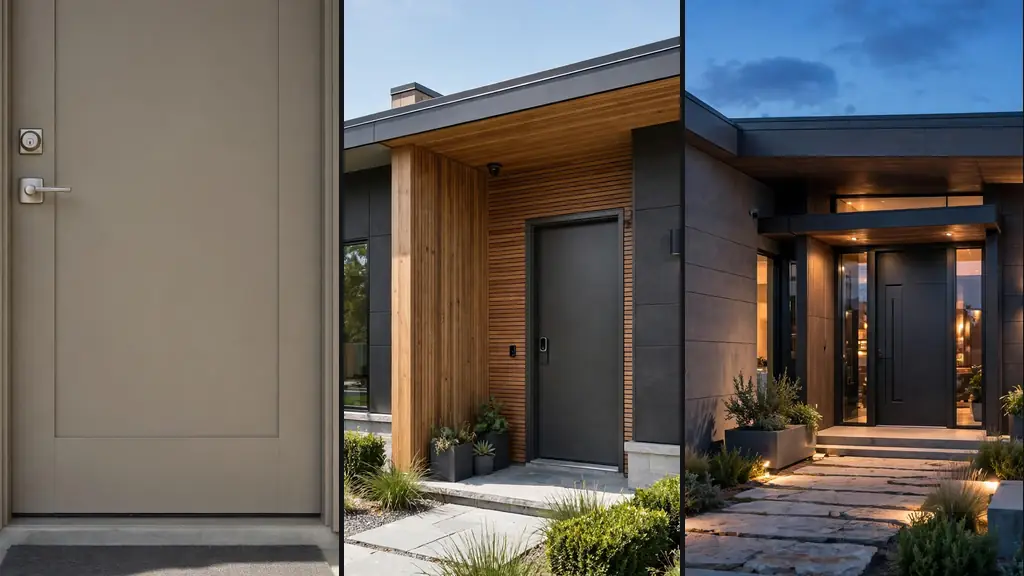
Entryways birth clutter — keys, bags, shoes, mail arriving at speed. Give each a landing spot by the door: hooks for bags, a tray for keys, a rack holding only the rotation pairs. Mail needs a decision station — act, file, recycle on arrival. A pile is procrastination with an address.
Offices drown in paper and cables. Digitize what you can — scan keepers, shred the rest — and give surviving paper one inbox tray, processed weekly. Drawerless desk? A rolling cart alongside works. Mount one power strip under the desk and clip the cords.
Both rooms want closed storage: an entryway bench hiding shoe overflow, lidded boxes hiding supplies. Surfaces stay clear, chaos stays reachable. It’s the same principle behind affordable upgrades for a high-end home look — tidy surfaces read expensive at any price.
Home Organization Ideas: The 10-Minute Reset
Admired organized homes run on habit, not systems. The ten-minute reset: daily, ideally evening, timer on, everything back where it lives. Dishes to kitchen, laundry to hamper, remotes to tray, mail sorted. Ten minutes a day means never needing a weekend rescue.
Make it easier than skipping: a permanent donation bag in a closet, filled as you notice things; one-in-one-out for clothes, gadgets, kitchen tools so buildup can’t restart. And share it — ten minutes the household does beats an hour one person resents.
Expect maintenance, not perfection. The reset is rhythm, not finish line — some weeks it slips, and that’s fine. It survives because restarting takes one evening. That’s the durable secret behind home organization ideas: not the perfect container, but the tiny daily habit keeping the house calm.