
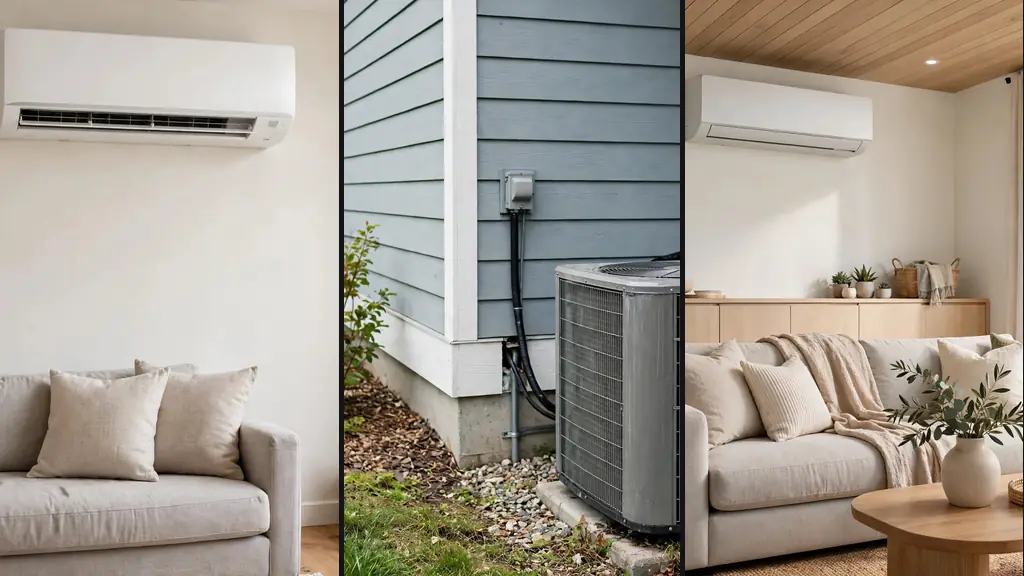
Shopping for air conditioning feels like the price changes every time you ask. One contractor quotes $6,000, another says $14,000, and both are talking about your same 2,000 square foot house. Here’s the real story on air conditioner cost: for a 2,000 sq ft home, most homeowners pay between $5,000 and $12,000 installed, with the national middle landing around $7,500 to $9,000 for a straightforward replacement.
Table of Contents
The Short Answer: Air Conditioner Cost for 2,000 Sq Ft
Let’s pin down the range. A like-for-like replacement of an existing central AC in a 2,000 sq ft home — same ductwork, same spot — typically runs $5,000 to $8,000 installed. A full new system with ductwork modifications, a higher-efficiency unit, or a first-time install where none existed lands more like $8,000 to $12,000, sometimes higher in expensive labor markets.
“Installed” should mean everything: the unit, the pad, refrigerant lines, electrical connections, permits, haul-away of the old equipment, and a proper startup and test. If a quote seems too good to be true, check what’s missing — the cheapest bid often skips the permit or reuses a 20-year-old disconnect box. Regional labor swings the numbers more than the equipment does: the same unit can cost 30% more installed in a high-cost metro than in a small town.
Air Conditioner Cost by System Type
Not all cooling costs the same. Here’s how the air conditioner cost breaks down by system for a 2,000 sq ft home:
| System type | Typical installed cost | Best for |
|---|---|---|
| Central AC | $5,000–$12,000 | Homes with existing ductwork |
| Heat pump | $6,000–$13,000 | Cooling plus efficient heating |
| Ductless mini-split (multi-zone) | $4,000–$10,000 | No ducts, room-by-room control |
Central AC remains the default when ductwork already exists — it’s the cheapest per ton of cooling. Heat pumps cost a bit more upfront but handle both heating and cooling, which can eliminate a separate furnace bill in mild climates. Mini-splits shine in homes without ducts or with hard-to-cool additions, since each zone gets its own thermostat. Window units and portables ($150–$700 each) are fine for a room or two, but cooling a whole 2,000 sq ft house with them is a losing game.
What Pushes the Price Up (or Down)
The equipment brand matters less than most people think — it’s the variables around it that move the air conditioner cost. Efficiency rating is the big one: a high-SEER2 unit can cost $1,500 to $3,000 more than a baseline model. Ductwork is the other budget-killer; if your ducts leak, are undersized, or don’t exist, add $2,000 to $4,000 for repair or new runs.
Then there’s the electrical side: an older panel may need a breaker or service upgrade, and permits and inspections add a few hundred dollars in most areas. Refrigerant type matters too — systems using newer refrigerants cost more upfront but are the current standard. And timing counts: contractors are hungriest in the shoulder seasons (spring and fall), when emergency replacements aren’t clogging their schedule.
How Big an AC Do You Actually Need?
For 2,000 square feet, the rule of thumb says 3 to 3.5 tons of cooling (roughly one ton per 600 square feet). But rules of thumb are how people end up with the wrong unit. A proper Manual J load calculation accounts for your insulation, window area and direction, ceiling height, and local climate — the Department of Energy recommends sizing based on this kind of calculation rather than square footage alone.
Bigger is not better here. An oversized AC cools the air so fast it shuts off before pulling humidity out, leaving you cold and clammy with higher bills. An undersized one runs nonstop on the hottest days and dies young. A reputable contractor does the load calc as part of the quote — if they size your system by glancing at the house and guessing, that’s your sign to call someone else.
Upfront Cost vs. Long-Term Energy Bills
The sticker price isn’t the whole air conditioner cost story. A high-efficiency unit (SEER2 18–20) can cut cooling energy use by 20–40% compared to a 15-year-old baseline system — on a 2,000 sq ft home in a hot climate, that’s hundreds of dollars a year. Over a 15-year equipment life, the efficient unit often pays for its own premium.
Factor in incentives too: heat pumps may qualify for federal tax credits, and many utilities offer rebates for high-efficiency installs. Then protect the investment with maintenance — a yearly tune-up, clean filters, and clear outdoor coils keep efficiency from sliding. Pair the system with a smart thermostat (see these smart home ideas for options) and you can trim another 8–10% off cooling costs without thinking about it. Family Handyman has solid seasonal checklists for the DIY maintenance side.
Getting Quotes Without Getting Ripped Off
Get three quotes, minimum, and make them itemized — equipment model number, SEER2 rating, scope of ductwork, electrical work, permits, and warranty terms, each on its own line. Quotes that can’t be compared line by line can’t be trusted. Check licensing and reviews, and ask every bidder the same questions: Will you do a Manual J calculation? What’s the labor warranty versus the parts warranty? Who handles the permit?
Beware the lowball bid that skips the permit or the load calc, and beware the high-pressure “this price expires today” pitch — reputable contractors don’t need countdown timers. The best time to buy is spring or fall, when installers have open schedules and sometimes offer off-season pricing. And once it’s installed, add AC care to your seasonal home maintenance routine so the system you paid good money for actually lasts its full 15 to 20 years.