Walking into a studio asking for “something cool” is the fastest route to ink regret. The major tattoo styles have completely different personalities, and the design that looks jaw-dropping on your friend’s arm can look all wrong on yours. This guide tours the 15 major tattoo styles, from old school American Traditional born in the early 20th century to the hairline work flooding your feed today.
You’ll learn what defines each style, plus how it ages, what it costs, and how much it hurts. By the end you’ll know not just which style you love, but which one will still look great on your skin in twenty years. Let’s find your ink soulmate.
📑 In This Article
What Actually Makes a “Tattoo Style”?
A tattoo style isn’t just a vibe — it’s a recipe. Every unique style comes from three ingredients: line work (thick or hairline), color palette (a limited color palette versus full realism), and shading (smooth grey blends, dotwork stippling, or none at all).
Those choices decide everything: how it reads across a room, how it photographs, and how it ages. A good tattoo artist specializes in one or two styles for a reason — the technique behind a crisp geometric tattoo is nothing like the soft gradients of a black and grey tattoo style. Book for healed work, not for convenience.
15 Tattoo Styles Explained (The Full Tour)
Screenshot your favorites:
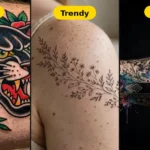
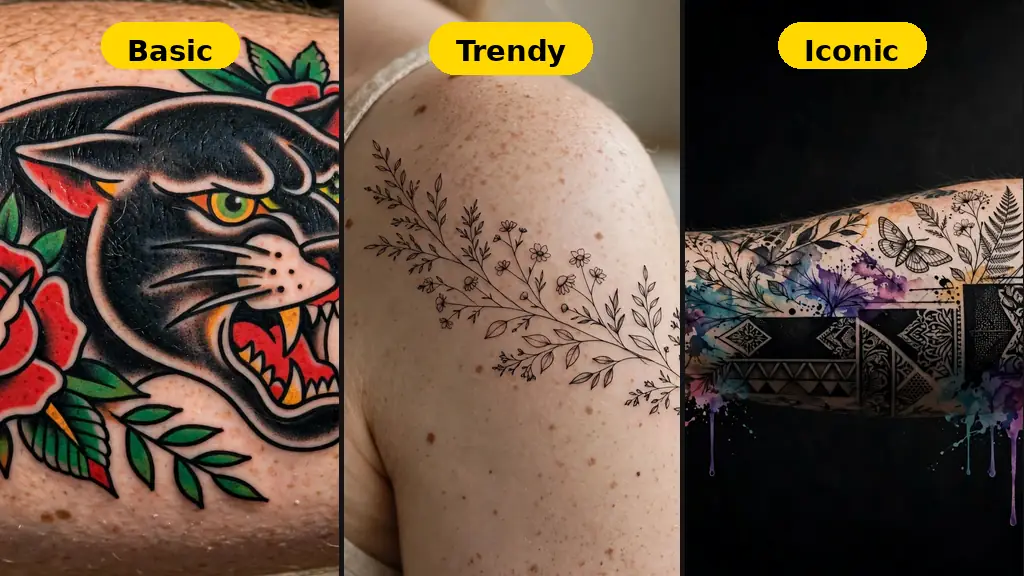
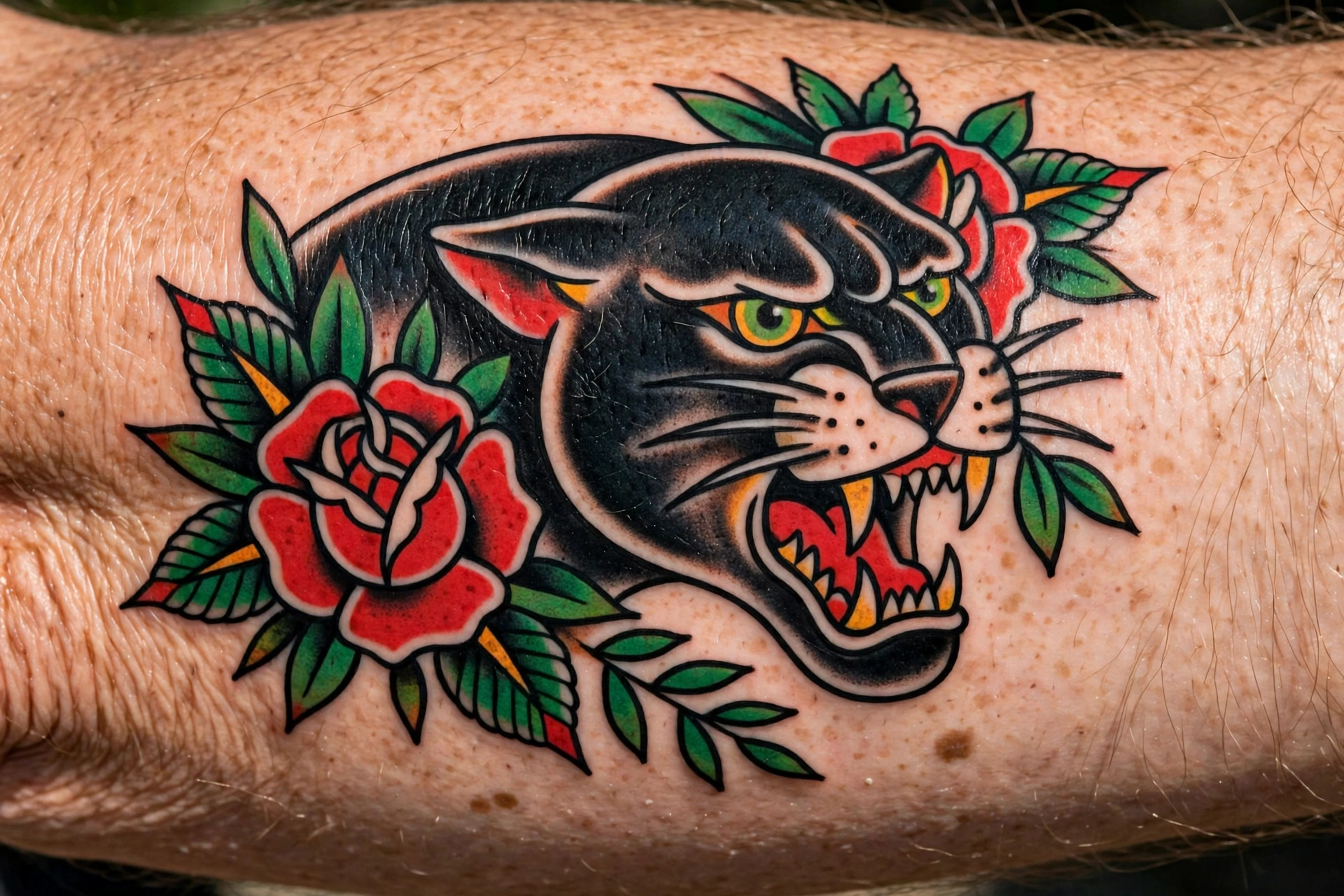
- American Traditional (Old School) — Bold black outlines, limited palette (red, green, yellow, blue). Sailor-born icons: anchors, eagles, panthers. Ages like a legend.
- Neo Traditional — Traditional’s richer cousin: bold lines kept, bigger colors, more illustrative detail. Classic punch with extra artistry.
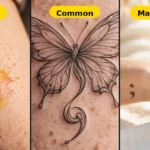
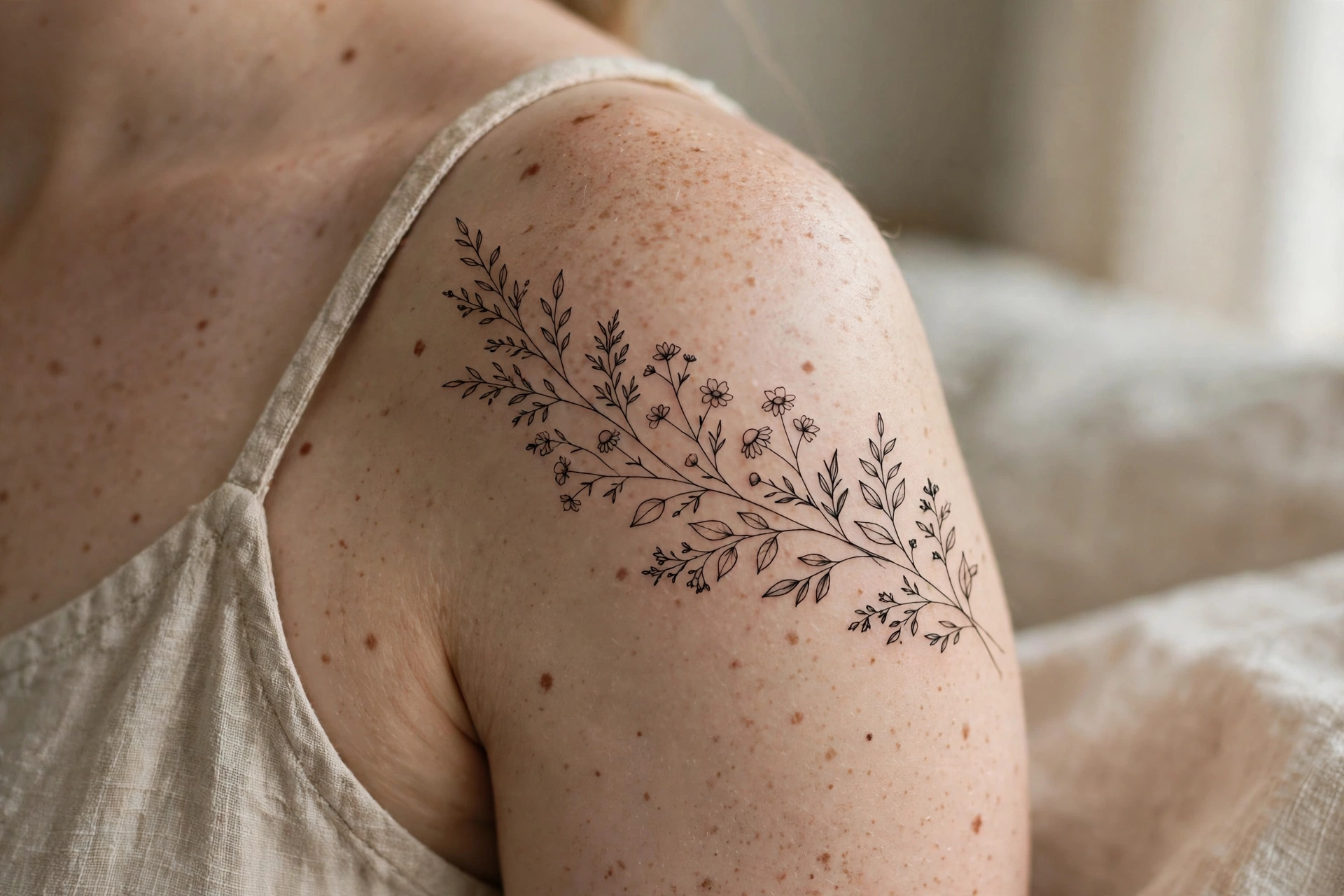
- Fine Line — Hair-thin fine line tattoos from a single needle: botanicals, tiny scripts, micro faces. Elegant but fade-prone — plan touch-ups.
- Blackwork — Pure black ink to create everything: solid blocks, negative space, graphic patterns. Striking, modern, ages superbly.
- Black and Grey — The black and grey tattoo style builds depth with grey wash: smooth, photographic, timeless. The backbone of realism.
- Realism — Tattoos that mirror real life: a portrait tattoo of a loved one, a lion down to the whiskers. Demands a specialist and multiple sessions.
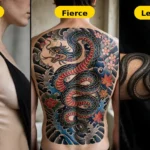
- Japanese (Irezumi) — Japanese tattoos are large-scale body suits: dragons, koi, cherry blossoms. Our yakuza tattoo guide decodes the symbolism.
- Tribal — Tribal tattoos (including Polynesian) use bold black swirls and intricate patterns following the body’s curves. Go authentic, never generic.
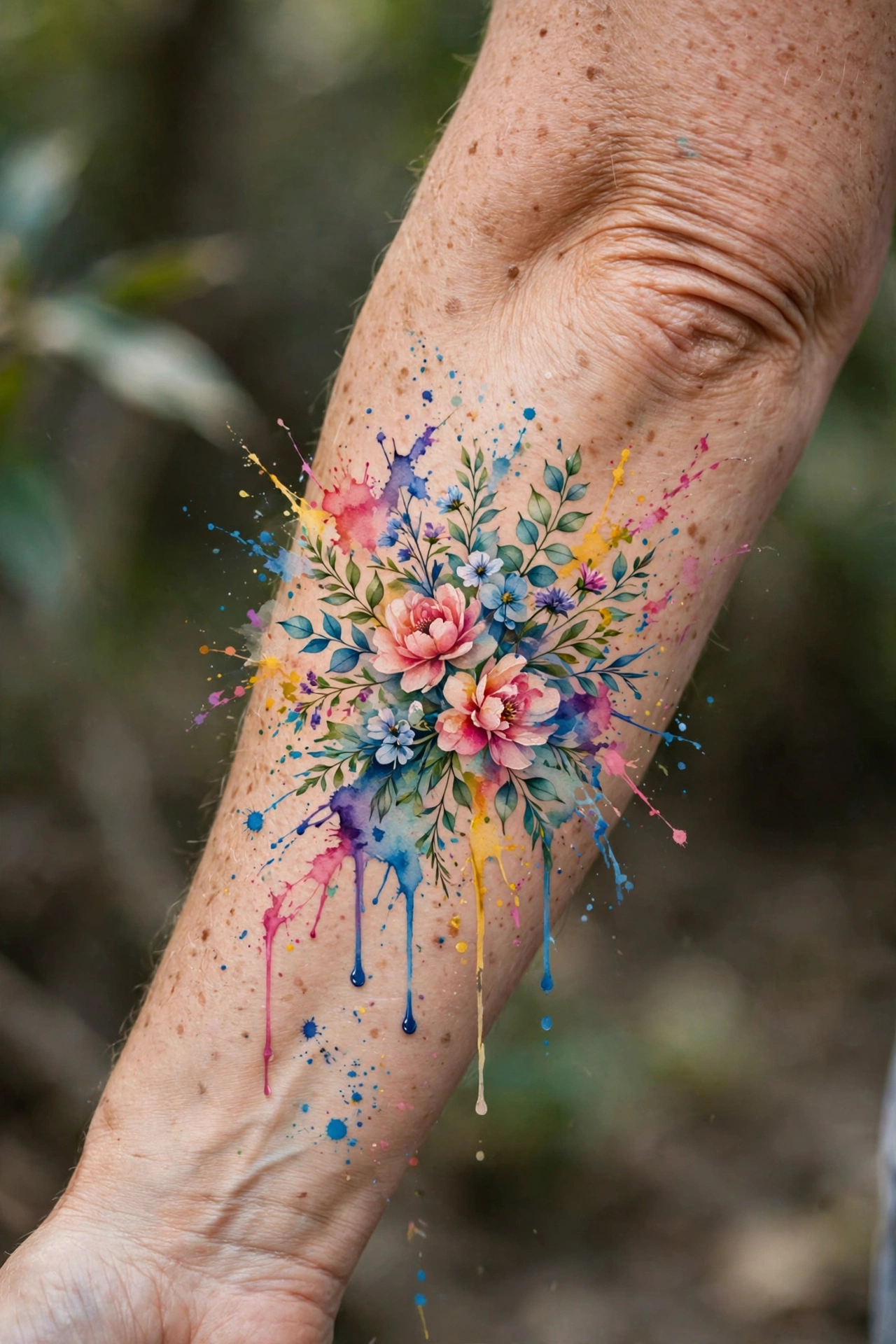
- Watercolor — Mimics paint splashes with little or no outline — dreamy, but verify healed results before booking. (Britannica traces the art’s long history.)
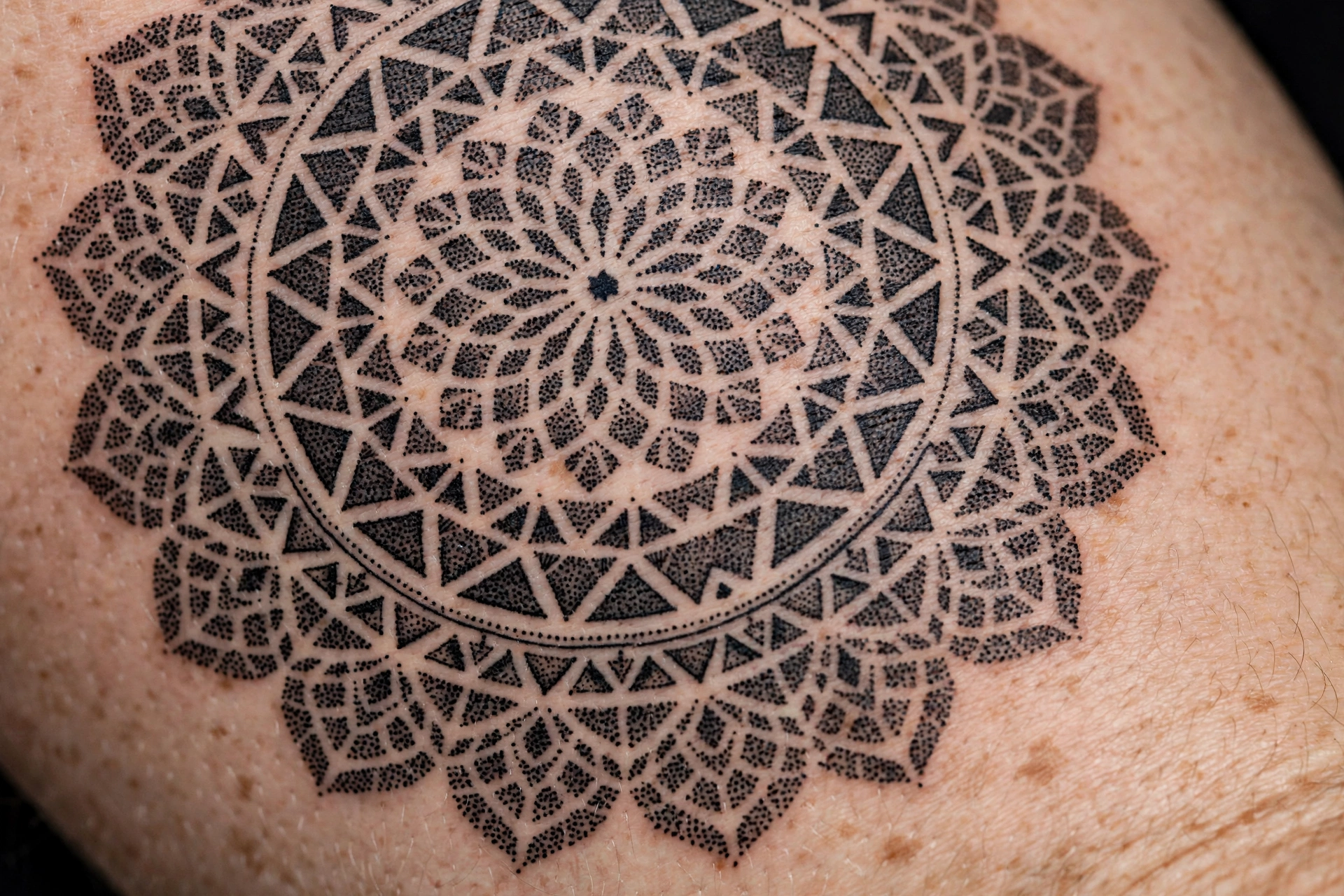
- Geometric — Symmetry, mandalas, sacred shapes — precise, meditative, and perfect with dotwork shading.
- Dotwork — Thousands of dots build form and shading, from soft gradients to dense ornamental sleeves. Slow to tattoo, stunning to see.
- Trash Polka — Chaotic black-and-red collage: a trash polka tattoo mixes realism fragments, lettering, splatters. Maximum attitude.
- Portrait — Faces demand top skill: flawless proportions or nothing — check healed portraits first.
- Minimalist — Tiny single-idea pieces: a small heart, one word, a micro flower. See our fine-line ideas guide for inspiration.
- Illustrative — Drawn like an illustration: stylized, storybook, anime-influenced. Art first, ink second.
How Each Tattoo Style Ages
All tattoos age, but bold lines and high contrast survive — delicate detail blurs.
- Ages brilliantly: American Traditional, blackwork, tribal, neo-traditional — bold outlines hold for decades.
- Ages well with care: Black and grey, geometric, dotwork, Japanese — sun protection keeps them gorgeous.
- Needs maintenance: Fine line, watercolor, minimalist, realism — thin lines spread, colors soften. Touch-up every 5–8 years, SPF always.
The #1 aging mistake? Too much detail at too small a size. A palm-sized realism piece looks magical on day one and muddy by year five — size up. And check your tattoo meanings before committing, since the symbol should last as long as the ink.
Pain & Cost Differences Between Styles
Which Tattoo Styles Hurt Most?
Heavy-shading styles keep the needle on one spot longer, so sessions sting more. Big Japanese backpieces stretch across sessions — each manageable, but the total adds up. Fine line and minimalist hurt least simply because they’re fast.
Which Tattoo Styles Cost Most?
Cost follows time and specialization. Realism and full Japanese run highest ($1,000–$5,000+). Fine-line and minimalist are cheapest per session ($80–$250) — but touch-ups cost money too, so a fade-prone style isn’t as cheap as it looks.
How to Choose YOUR Tattoo Style
Forget trends for a moment. Match the style to three things:
- Your skin tone: Bold black styles pop on darker skin; fine detail and pastels show best on lighter skin. A great artist will be honest about yours.
- Your placement: Big canvases (back, thigh, sleeve) suit Japanese, realism, neo-traditional. Small spots (wrist, ankle, behind the ear) belong to fine line and minimalist.
- Your personality: Timeless? Traditional or black and grey. Soft? Fine line or watercolor. Loud? Trash polka or illustrative.
Quick test: save 20 tattoos you love and spot the pattern — your style was probably obvious all along.
Questions to Ask Your Tattoo Artist
Ask these before booking — a good tattoo artist welcomes every one:
- Can I see healed photos of this style, not just fresh work?
- Is this style your specialty?
- How will this design look in 10 years at this size?
- How many sessions, and what’s the total cost?
- What touch-up policy do you offer?
If an artist dodges the healed-photo question, walk away — especially for fine line, watercolor, and portraits. (Tattoodo’s style guides can help you research further.)
FAQ — Tattoo Style Questions
Which tattoo style hurts the least?
Fine line and minimalist — they’re quick with minimal shading. Heavy blackwork and realism sessions sting more because the needle works one area longer.
What is the most popular tattoo style in 2026?
Fine line, blackwork, and neo-traditional lead the trends; American Traditional never really leaves.
Can you mix two tattoo styles in one piece?
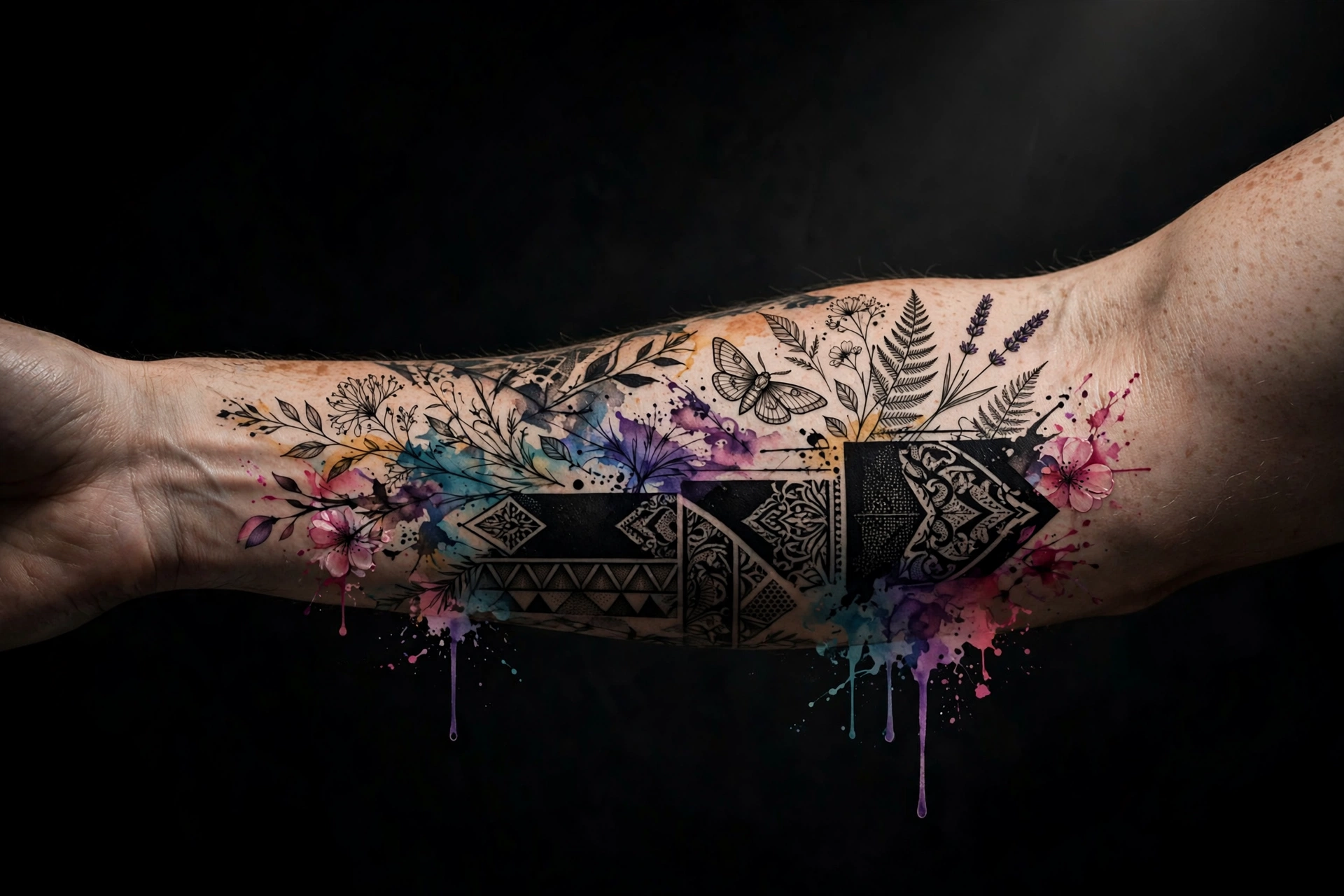
Yes. Blackwork with dotwork shading, neo-traditional with realism touches, or geometric framing around illustrative work — all succeed when planned as one composition.
Which tattoo style ages the best?
Bold-lined styles: American Traditional, blackwork, tribal, neo-traditional. Fine-line and watercolor fade fastest and need touch-ups plus sunscreen.
What should I avoid when choosing a tattoo style?
Don’t chase trends, don’t cram detail into a tiny design, and don’t let an artist work outside their specialty — especially portraits.
Choosing the right style is the biggest decision in your tattoo journey. Which one is your favorite? Tell us in the comments below!