Makeup artist hacks are the small, clever tricks that separate a good makeup day from a great one. They are the kind of thing a pro picks up after doing a hundred faces — shortcuts and fixes that save time, stretch products further, and make everything look a little more polished. Whether you do makeup for a living or just love playing with it at home, these makeup artist hacks will sharpen your technique — just practical tricks that actually hold up in real life.
Prep the Canvas: Skincare Before Any Makeup Artist Hacks
Every seasoned artist will tell you the same thing: makeup only looks as good as the skin underneath it. Cleanse gently, then moisturize according to your skin type — gel textures for oily skin, creamier formulas for dry. And here is the part most people skip: apply your sunscreen as its own step. Makeup with SPF rarely gives real protection because nobody applies foundation thickly enough, so a separate sunscreen before base makeup matters. Dermatologists recommend applying products in a set order, and the American Academy of Dermatology’s skin care basics lays out exactly how that layering should work.
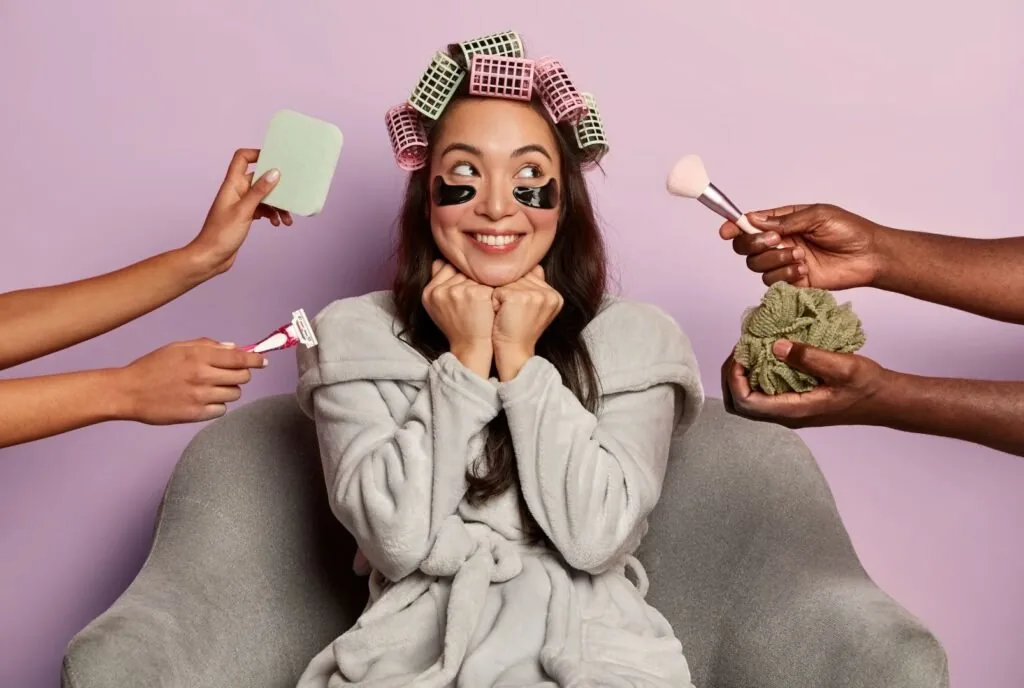
Give each layer a minute to sink in. Rushing from serum straight to foundation causes pilling — those little balls of product rolling off your face — and a minute of patience saves you from starting over.
Makeup Artist Hacks for a Flawless Base
The base is where most makeup artist hacks live, and most of them are about using less, not more. Warm a pump of foundation on the back of your hand first. It loosens the formula so it melts in instead of sitting on top. Then press it in with a damp sponge using a bouncing motion — never drag. Dragging moves product around; bouncing presses it in.
For concealer, draw a triangle under the eyes instead of dots, with the point aimed at your cheek. It brightens the whole mid-face instead of just masking circles. And if you are dealing with redness or dark spots, a thin layer of color corrector (green for red, peach for blue-purple shadows) lets you use half the concealer you normally would.
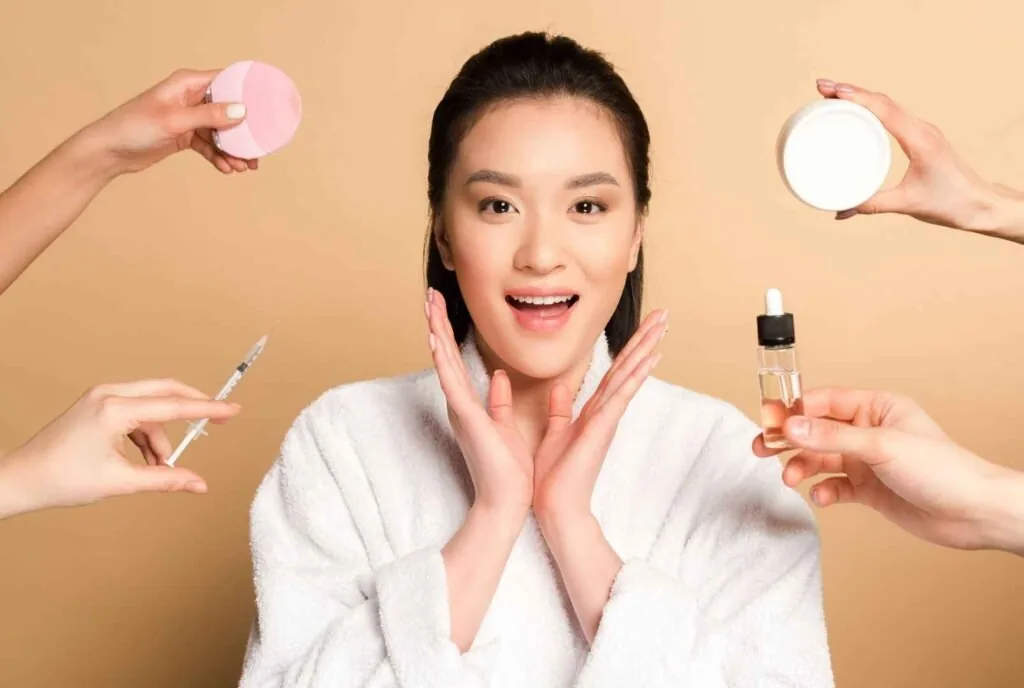
One more base trick: mix a drop of facial oil or liquid highlighter into foundation on dry-skin days. It turns a matte formula into a skin-like finish without buying a new product.
Eyes That Look Expensive Without the Effort
Tightlining is the quiet hero of eye makeup artist hacks. Filling in the upper waterline with a dark pencil makes lashes look instantly thicker, even with zero eyeshadow. It takes twenty seconds and reads as “naturally good lashes.”
Turn any eyeshadow into eyeliner by loading a flat angled brush with shadow and misting it with setting spray — softer and more forgiving than liquid liner. For lower lashes, hold the mascara wand vertically and touch just the tips to avoid clumps. And a backstage classic: warm your lash curler between your palms for ten seconds before curling (never with a hair dryer). The gentle warmth sets the curl.
The Long-Wear Tricks Pros Swear By
Makeup that survives a long day comes down to the sandwich method: setting spray, then powder products, then setting spray again. The first layer of spray gives powder something to grip; the final layer melts everything together so nothing looks dusty.
“Baking” gets overused, but it has its place — just keep it small. A little extra powder under the eyes and around the nose for three to five minutes, then dust off. Doing the whole face makes skin look flat and dry in photos. For touch-ups, blotting papers beat powder — press one sheet on the T-zone to remove oil without adding another layer.
Lipstick longevity has its own formula: line and fill the whole lip with liner, blot with tissue, then apply lipstick. The liner acts as a stain underneath, so color stays put even as the lipstick fades.
Brush Hygiene: The Makeup Artist Hack Nobody Skips
Ask any working artist for their number-one rule and most will say the same thing: clean tools. Wash brushes weekly with gentle soap, reshape the bristles, and dry them flat or hanging bristle-down so water does not loosen the glue in the handle. Between washes, a quick spritz of brush cleaner on a tissue keeps things fresh day to day.
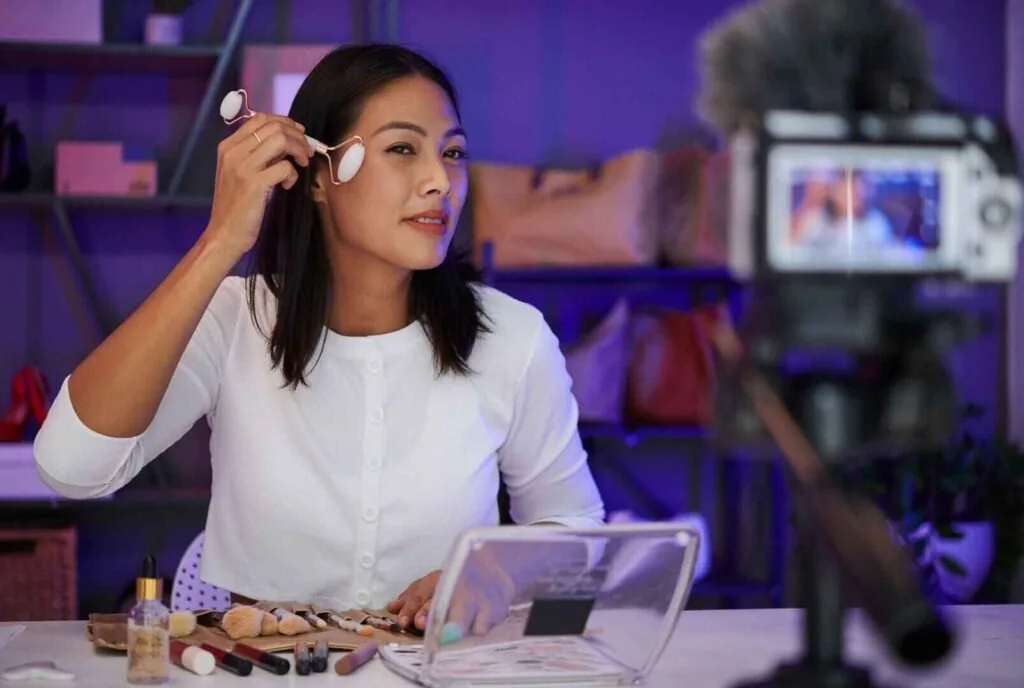
Bacteria, dead skin cells, and oil from your skin can stick to makeup and applicators — that is how breakouts start. Never double-dip a mascara wand, never share eye or lip products, and toss cream products open longer than a year. Makeup simply applies better with clean brushes. Pair clean tools with fresh ideas, like these iconic nail designs that are making a huge comeback, and your whole look stays current.
Quick Fixes When Makeup Goes Wrong
Over-applied blush? Press translucent powder over it with a fluffy brush — it diffuses the color instantly. Cakey foundation? Press a damp, product-free sponge over the area and the excess lifts off.
Lipstick on your teeth? Close your lips around a clean finger and pull it out — the excess comes with it. Smudged liner cleans up with a pointed cotton swab and a dot of concealer. Mascara transferred to lids? Wait until it dries, then flick it off with a dry spoolie — touching it wet only smears.
Makeup Artist Hacks for Different Skin Types
Working artists adjust every trick to the face in front of them. Oily skin: oil-free, non-comedogenic formulas and blotting papers instead of re-powdering. Dry skin: cream blush, cream bronzer, cream everything — powders cling to dry patches. Mature skin: go easy on powder and finish with a hydrating mist to take down chalkiness.

Sensitive skin: introduce one new product at a time and patch-test behind the ear. The AAD’s skin care secrets page has more dermatologist-tested guidance before you overhaul your routine, and these clever life hacks for women’s everyday needs cover the rest.
Makeup artist hacks are really about paying attention — to skin, to tools, to small changes that make a big difference. Start with one or two, make them habits, and your makeup will look like someone else did it for you.