Feet health signs are some of the most ignored clues your body gives you. Your feet are far from your heart, at the end of your circulation’s road — which is exactly why problems often show up there first. Swelling, discoloration, numbness, or nails that change texture can all be feet health signs pointing to bigger issues. Here’s what to watch for.
Table of Contents
Feet Health Signs: Swelling That Doesn’t Go Down
Feet that swell by evening and return to normal by morning are usually just gravity doing its thing. But swelling that persists, affects one foot more than the other, or comes with pitting (a dent that stays when you press) is one of the feet health signs worth investigating. It can signal circulation problems, kidney issues, or medication side effects.
Track the pattern: does it worsen through the day? Is it worse in heat? Do your shoes feel tighter than they used to? Elevating your feet for 15 minutes and seeing whether the swelling resolves is a useful home test — if it doesn’t budge, mention it to your doctor. Reducing salt intake and staying active help mild cases, but persistent swelling deserves a proper checkup. Our article on everyday mistakes wrecking your health covers the sedentary habits that make circulation worse. The Mayo Clinic on foot swelling lists the full range of causes.
Color and Temperature Changes as Feet Health Signs
Feet that are consistently cold, or toes that turn white, blue, or red in response to cold or stress, are classic feet health signs of circulation trouble. Raynaud’s phenomenon causes exactly this color-change sequence, while persistently cold feet can point to peripheral artery disease or thyroid issues.
On the flip side, feet that feel hot or look unusually red — especially with burning sensations — can signal nerve issues or inflammation. Check your feet in good light once a week; most people never look at their soles. Note any new discoloration, and don’t dismiss it as “just poor circulation” without evidence. Warm foot soaks and gentle movement help mild coldness, but color changes that come with pain need medical attention. If you’re reviewing your overall health signals, sleep apnea symptoms your body might show is another under-recognized warning worth knowing. The American College of Foot and Ankle Surgeons offers detailed guidance on foot symptoms.
Numbness, Tingling, and Other Nerve-Related Feet Health Signs
The “pins and needles” feeling that doesn’t go away — or worse, numbness where you can’t feel a pebble in your shoe — ranks among the most important feet health signs. Peripheral neuropathy, often linked to diabetes, usually starts in the feet precisely because those nerves are longest. Early catching matters enormously here.
Test yourself gently: can you feel light touch on all parts of both feet equally? Any asymmetry or dead spots deserve mention at your next appointment, or sooner if they’re spreading. Good blood sugar control is the single biggest protector if diabetes is in the picture. Even without diabetes, B12 deficiency can cause identical symptoms and is easily fixed once found. Don’t wait for these feet health signs to become permanent — nerves recover best when treated early. For more on catching silent conditions, see alarming things your pee can reveal. The American Diabetes Association has excellent foot-care resources for at-risk readers.
Foot Care Habits That Protect Your Feet Health Signs Baseline
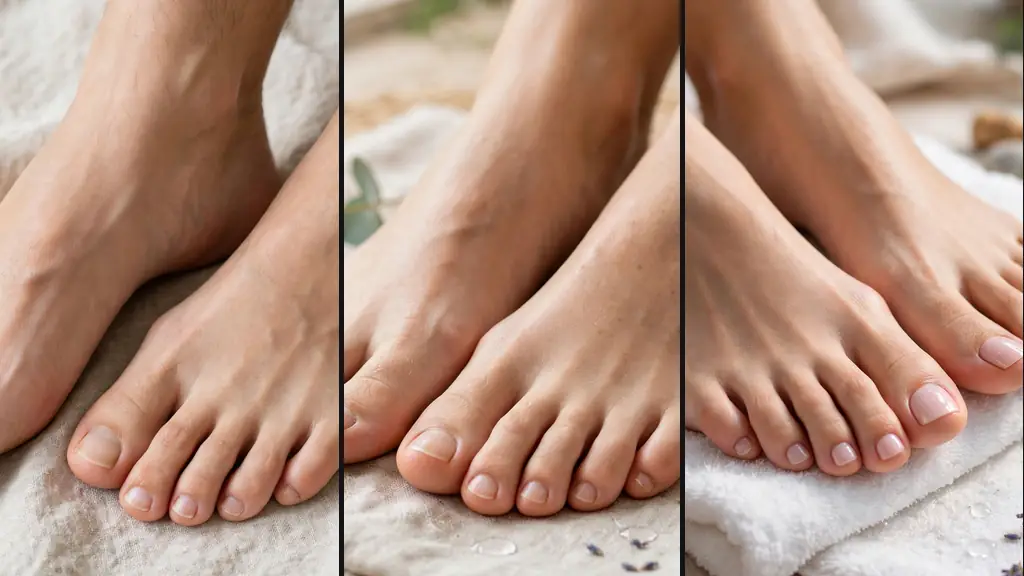
You can’t interpret feet health signs if you never look at your feet. Build a simple weekly check: good light, look at tops and soles, check between toes, note nail changes. Moisturize dry skin (but not between toes, where moisture invites fungus), trim nails straight across, and wear shoes that actually fit — most adults wear the wrong size.
Keep a photo log of anything new, just as you would for skin changes elsewhere. And remember the big picture: feet reflect circulation, nerves, and even heart health, so the habits that protect them — movement, healthy weight, not smoking — protect everything else too. Your feet carry you through life; returning the favor with a little attention is the least you can do.