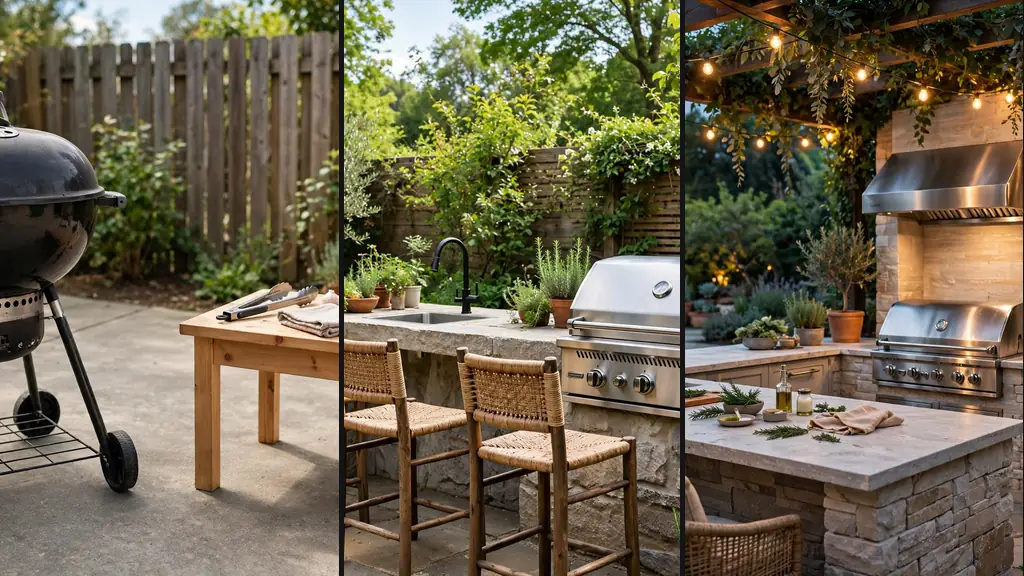
A luxury home renovation isn’t about gold fixtures and marble everything — it’s about a home that works beautifully and feels considered in every detail. The renovations that genuinely feel luxurious share a few traits: generous proportions, materials that age well, lighting that flatters, and technology that stays out of sight until you need it. These seven ideas cover the rooms and upgrades where high-end spending actually shows up in daily life, with honest budget anchors so you know where the money matters and where you can pull back.
A Chef-Style Kitchen: The Classic Luxury Home Renovation
The kitchen remains the single most valuable room in any luxury home renovation, and the high-end version is built around how people actually cook. That means a proper range with real ventilation, generous landing space on both sides of the cooktop, a deep single-bowl sink, and storage designed around your habits — pull-outs for pots, a tall pantry for small appliances, drawers deep enough for dishes.
Refacing solid cabinet boxes and upgrading only the counters, hardware, and lighting delivers most of the look at a fraction of a full remodel — a sensible budget anchor if the layout already works. This breakdown of luxury kitchen renovation features makes a good checklist for your first contractor meeting. And before you sign anything, learn the lingo: a general contractor manages the whole project and hires the trades; a change order is a written amendment when you alter the plan mid-job (it almost always costs extra); an allowance is a budget placeholder for items you haven’t selected yet, like tile; and lead time is how long ordered materials take to arrive — custom cabinetry can run eight to twelve weeks, so order early.
A Spa-Like Primary Bath
A primary bath that feels like a spa comes down to a few sensory details: warm floors, strong water pressure, and light you can dim. Heated tile floors are the single most commented-on luxury in renovated baths — you’ll never want to go back.
Materials matter more than gadgetry here. Large-format tile means fewer grout lines and a calmer look; natural stone on one feature wall adds the drama. The budget anchor that works best: keep the plumbing where it is. Moving drains and supply lines is one of the biggest cost drivers in any bath remodel, and a beautiful room on the existing footprint beats an average one on moved pipes.
Statement Lighting That Changes Everything
Lighting is the fastest way to make a home feel expensive, and the most under-budgeted line in most renovations. Plan in layers: ambient light for general glow, task light where work happens, accent light for art and architecture. No luxury home renovation is complete without a lighting plan.
Dimmers are non-negotiable: the same room needs bright light for cleaning and low, warm light for dinner, and only dimmers give you both. Stick to one color temperature throughout (2700K reads warm and flattering) so rooms flow together. These ideas for how to make your home look expensive on a budget include several lighting moves that look far pricier than they are.
Smart-Home Integration, Done Invisibly
The luxury version of a smart home is one you barely notice. Motorized shades that lower at sunset, lighting scenes that shift from bright morning to warm evening with one tap, climate zones that learn your schedule — it should feel like the house anticipating you, not like operating machinery.
Hide the hardware: flush ceiling speakers, switches in consistent finishes, one discreet panel instead of a wall of remotes. A robust Wi-Fi backbone with hardwired access points is the unglamorous foundation everything depends on; spend there first, then add the visible conveniences. Done right, the technology in a luxury home renovation disappears into the architecture.
A Home Office or Library That Feels Like a Retreat
With remote work permanent for so many households, a proper office has moved from nice-to-have to resale asset. The luxury version isn’t a desk in a corner — it’s a real room with a door that closes, built-in shelving, and light designed for video calls as well as reading.
Acoustics deserve the same attention as aesthetics: a solid-core door, a rug, and upholstered seating tame echo better than any microphone setting. Details like these are exactly the decorating tips to make your home look more luxurious that separate a finished room from a furnished one.
A Wine Nook or Wellness Corner
You don’t need a cellar to enjoy the ritual. A climate-controlled wine wall or compact under-counter fridge gives collectors proper storage — steady temperature around 55°F, protection from light — without dedicating a whole room.
The wellness alternative is having its own moment: a compact infrared sauna, a cold-plunge setup, or simply a quiet corner with a comfortable chair, dimmable light, and space for a yoga mat. What makes these spaces feel luxurious isn’t square footage — it’s intention. One dedicated purpose, one calm palette, no multitasking.
Luxury Home Renovation, Outdoors: A Real Living Room Under the Sky
The most-used “room” in many renovated homes has no walls. A covered patio or pergola, an outdoor fireplace or fire table, and seating as comfortable as what’s inside extend your living space by months each year.
Comfort details decide whether the space gets used or just admired: overhead heaters stretch the season, ceiling fans move summer air, weather-rated fabrics make it feel like a room instead of a patio set. For planning timelines and contractor expectations, the renovation guides at This Old House are worth a read, and browsing finished projects on Houzz sharpens your sense of what the budget actually buys.